Xtra Muse Pocket Camera Gimbal 2026
Pocket cameras are becoming more popular in purses and everyday carry bags because they solve a real frustration. Phone footage seems OK until you play it back on a bigger screen or try to film while moving. Dedicated rigs give better outcomes, but they necessitate time, preparation, and, in many cases, a second set of hands. The Xtra Muse, priced at $329 (was $449), fills that gap without asking buyers to sacrifice features essential for vlogging and trip filming. It has a one-inch sensor, shoots 4K video at 120 fps, and uses a physical three-axis gimbal to steady shots.

Sunlight Air Heating Collector Clothes Dryer
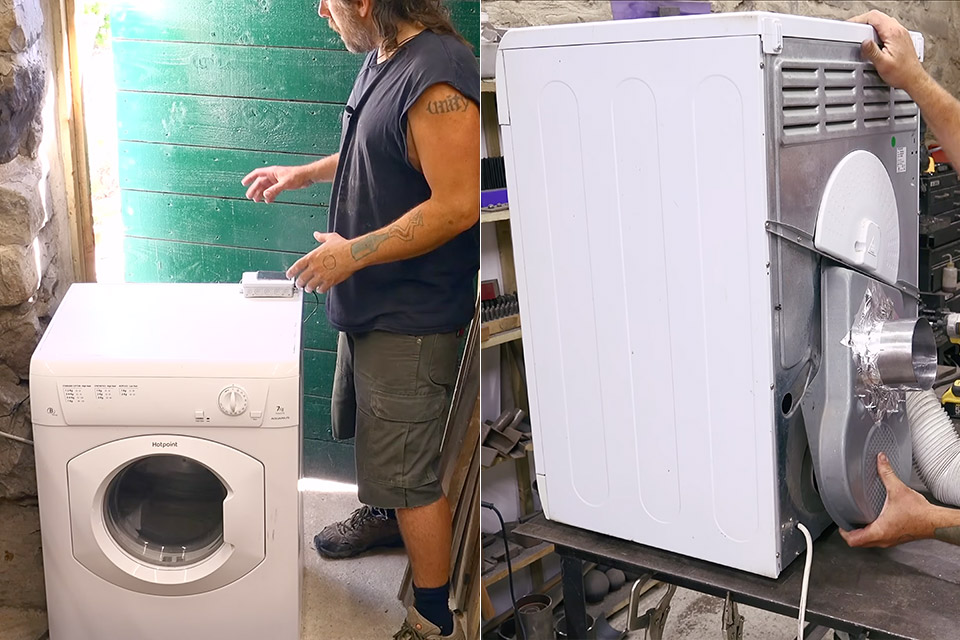
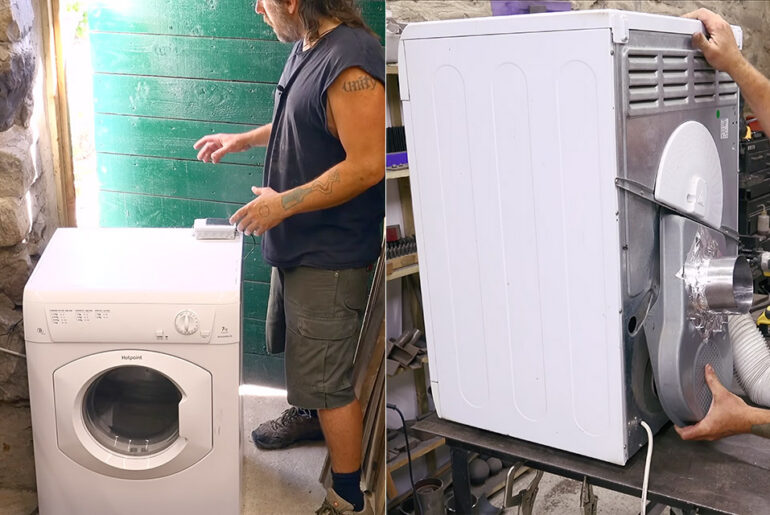
Greenhill Forge wanted to find out whether solar air heating could handle actual laundry drying without relying on a big electric heating element. The short answer from his latest build and test is yes, and the numbers make a strong case for it. He connected an upgraded solar air collector panel directly to a standard clothes dryer. The panel supplies heated air that replaces the usual 2,400-watt electric element. In the real-world trial, a test shirt came out completely dry after one hour. The only electricity consumed during that hour went to spinning the drum. Total draw sat around 155 watts.

URKL MMA Robot Fight
Shenzhen hosted the opening night of something that had never happened before. The Ultimate Robot Knock-out Legend, or URKL, brought together 32 teams from more than ten countries for full-sized humanoid robots to trade strikes inside a cage. Every team started with the same base machine from Chinese robotics company EngineAI. The T800 stands roughly five feet eight inches tall, weighs between 165 and 187 pounds, and carries 29 joints built for human-like motion. Teams then added their own armor plating and tuned the software that decides how each robot moves, balances, and reacts.

BBC Tomorrow's World 1983 Flatter Television
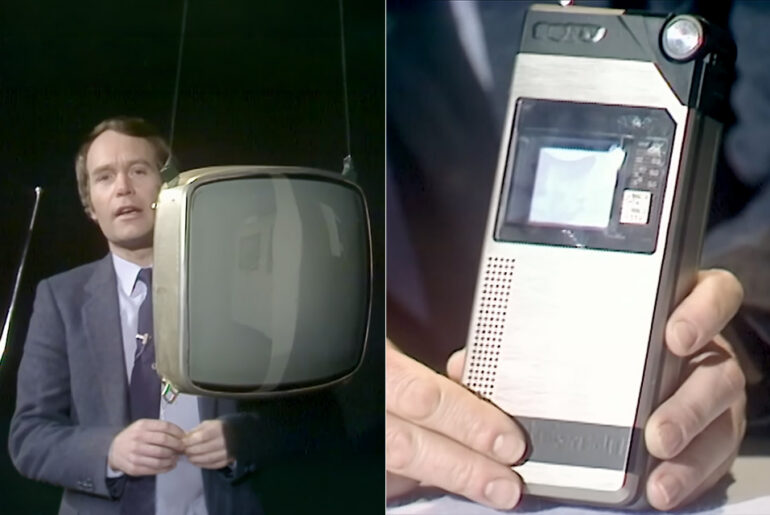
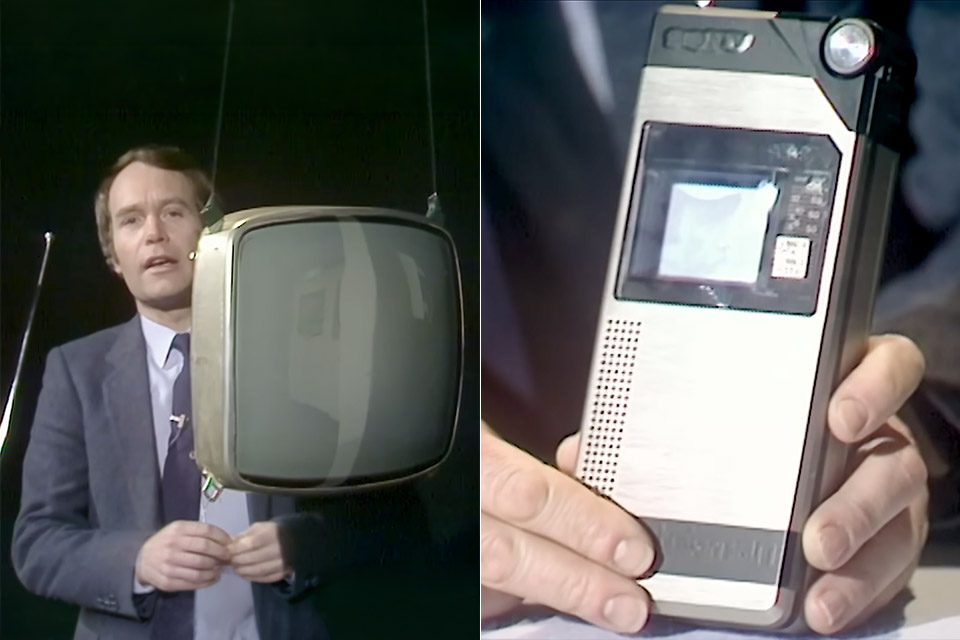
Viewers who caught the January 27, 1983 episode of BBC’s Tomorrow’s World saw presenter Peter Macann lay out real hardware that tried to solve an old complaint. Television sets of the day sat deep and heavy because their cathode ray tubes needed space for an electron gun to fire straight at the screen. Macann began with a plain observation: a set flat enough to hang on the wall like a picture would free up room and change how living spaces worked. The demonstration that followed showed both how close engineers had come and how many practical hurdles still stood in the way.