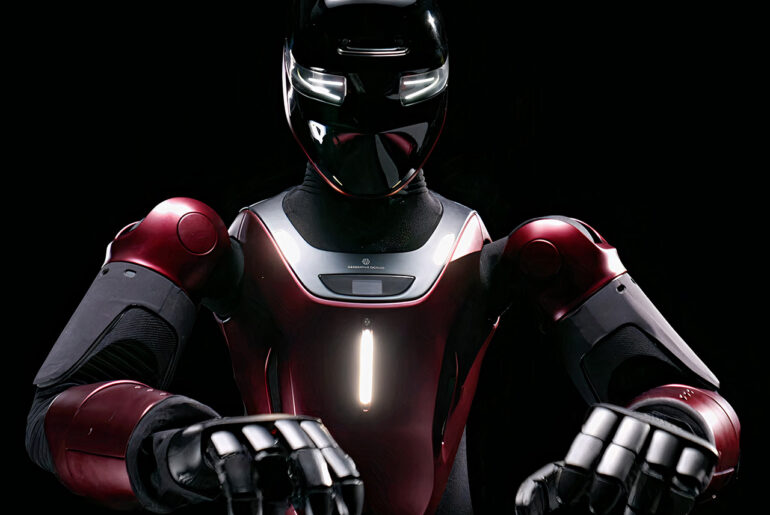
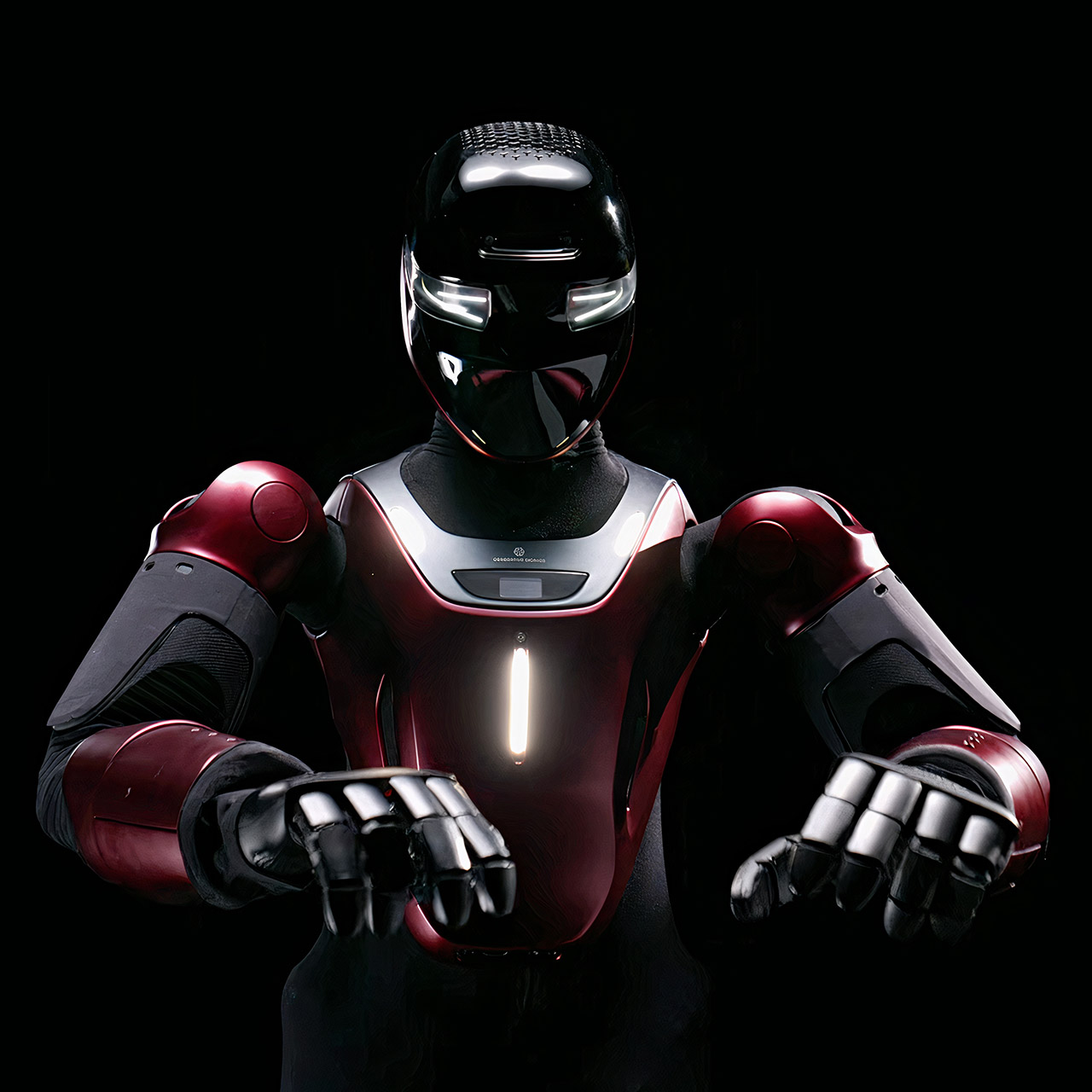
Genesis AI introduced Eno this month as its first general-purpose robot, and the machine immediately stands apart from nearly everything else in the crowded field. It rolls on a wheeled base rather than walking on legs. A compact tower of articulated panels rises and tilts to set the working height and reach, then folds down tight when the job ends. Two arms carry hands that match human size and proportion almost exactly. There is no head, no face, and no attempt to hide the fact that this machine was never meant to pass for a person.

No Law follows Grey Harker after he trades the noise of war for the quiet work of tending plants. He builds a small pocket of calm inside Port Desire, a port city carved into seaside cliffs and soaked in neon excess. That peace ends when violence takes something from him. Old instincts return fast. Black-ops training and custom hardware become tools for payback in a place that runs on murky motives instead of any real order.

Photo credit: NotebookCheck
Recent patent documents from Huawei describe a vertical tri-fold smartphone built around three connected segments and two opposing hinges. The design draws clear inspiration from clamshell flip phones like the Galaxy Z Flip while adding an extra fold for more screen area.

Brandon Lai wants to build a humanoid robot. He started with the upper body and quickly realized that off-the-shelf actuators would either cost too much or limit what the machine could do. So he set out to design and build his own. This latest version marks his second serious attempt, and it already produces usable torque in testing. He focused on a shoulder actuator sized for a roughly four-kilogram arm about half a meter long. The targets were straightforward. Peak torque needed to reach around 20 newton-meters. Output speed should fall between 40 and 60 revolutions per minute. The unit also had to run continuously for more than an hour. Keeping the cost near $150 per actuator would make it practical for other builders to copy or adapt.

Builders who pick up set 77256, priced at $22.39 (was $28), get a compact LEGO Speed Champions model that covers key looks from the first two Back to the Future films without needing extra purchases. The 357-piece count keeps the finished car at roughly six and a half inches long, a scale that sits comfortably alongside other vehicles in the same line for display or light play.