Boston Dynamics Workshop How Atlas is Made
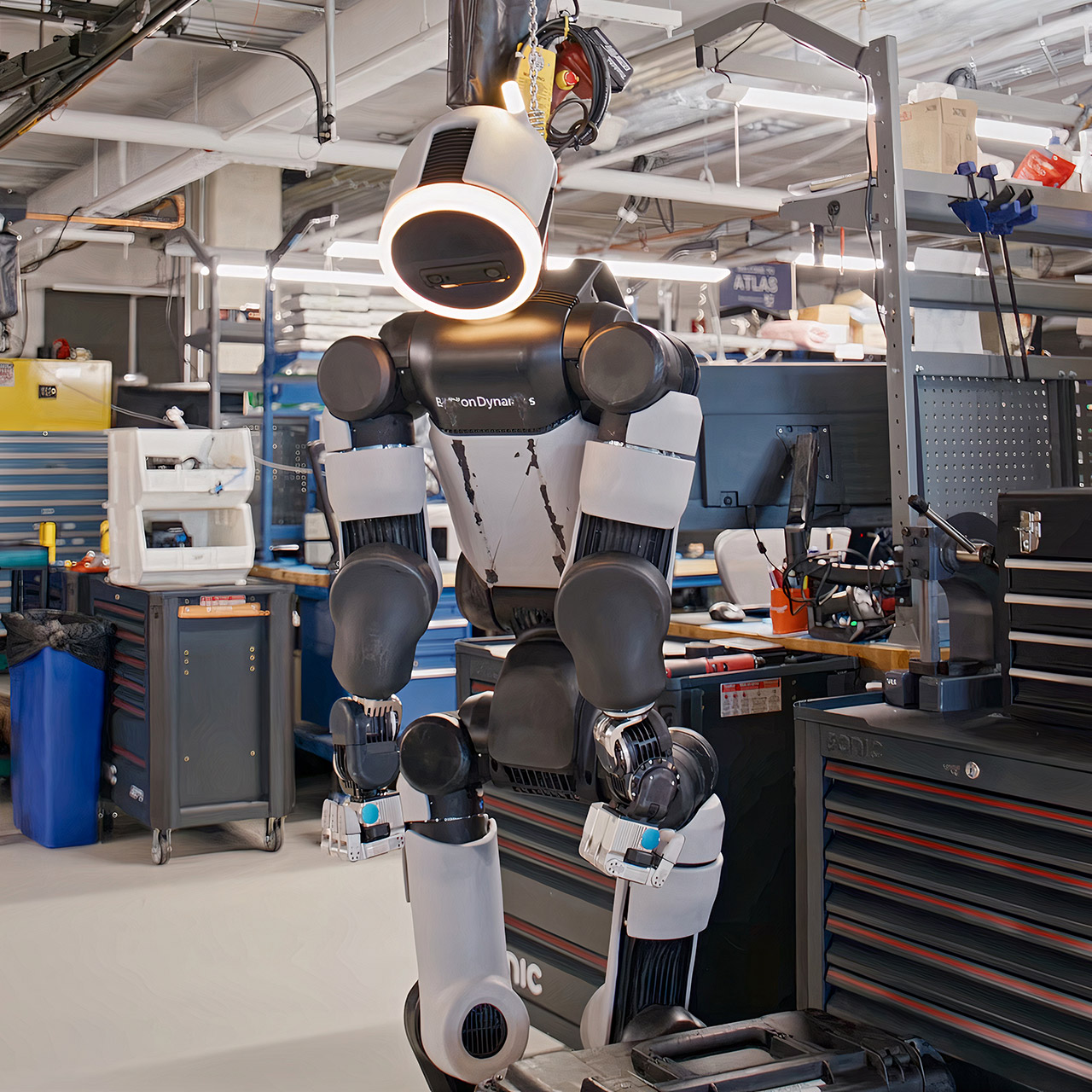
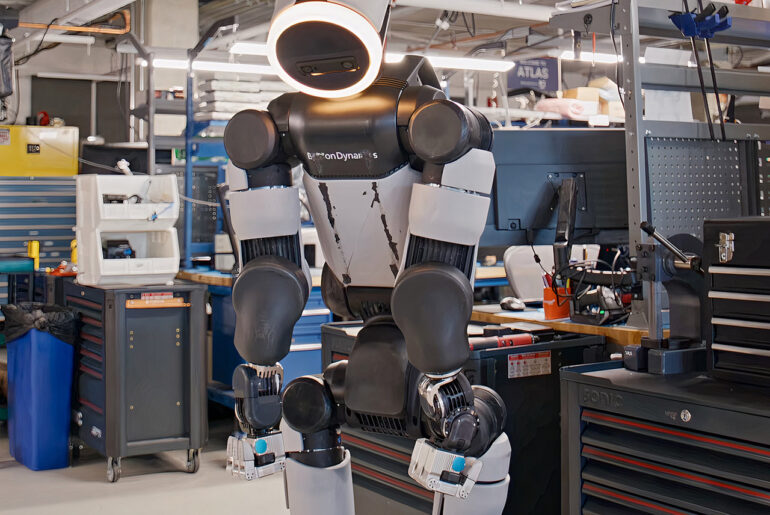
Visitors walking into the Waltham, Massachusetts shop floor often arrive expecting a loose collection of experimental machines, only to find rows of workstations that already resemble a working production line. Boston Dynamics keeps machining, assembly, and repair in the same building so every Atlas unit can move from raw material to a finished, tested robot without leaving the facility. Sr. Technical Program Manager Katie Conner notes that building one robot used to count as a major multi-day effort just a year earlier. The same process now finishes in roughly a single day, with a stated target of one hour by 2027 and minutes in the years after that.

NVIDIA RTX Spark Laptops Launch
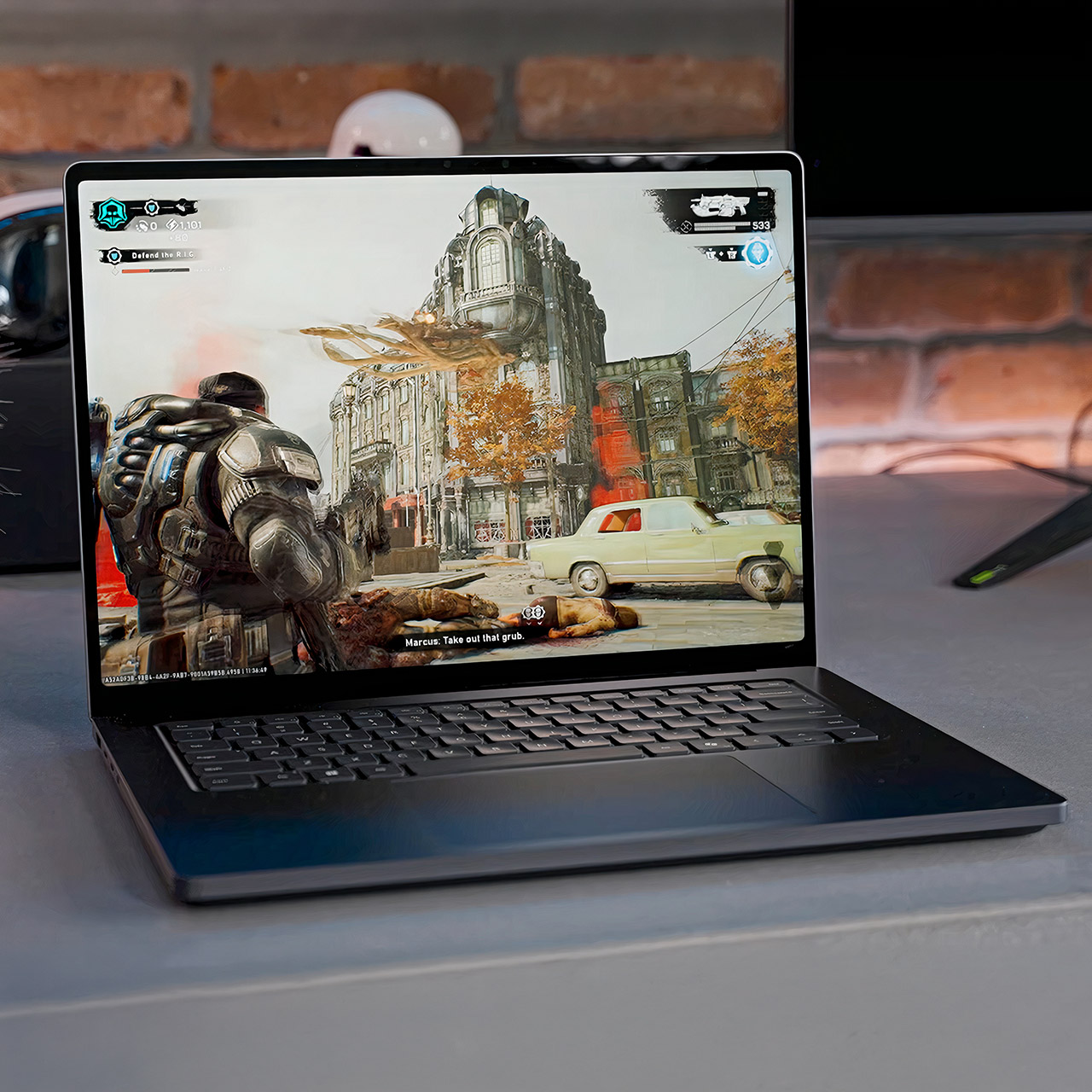
NVIDIA RTX Spark machines reached store shelves yesterday from ASUS, Dell, HP, Lenovo, Microsoft, and MSI, with the Surface Laptop Ultra and ProArt models among the first available starting at $2,599. These systems pack a single superchip that combines a custom Grace CPU designed with MediaTek and a Blackwell RTX GPU into one package, sharing up to 128GB of LPDDR5X memory so both the processor and graphics draw from the same pool without the usual split between system RAM and dedicated video memory.

NeodraDynamics Neo1 13-Foot-Tall Robot
Photo credit: Polymarket
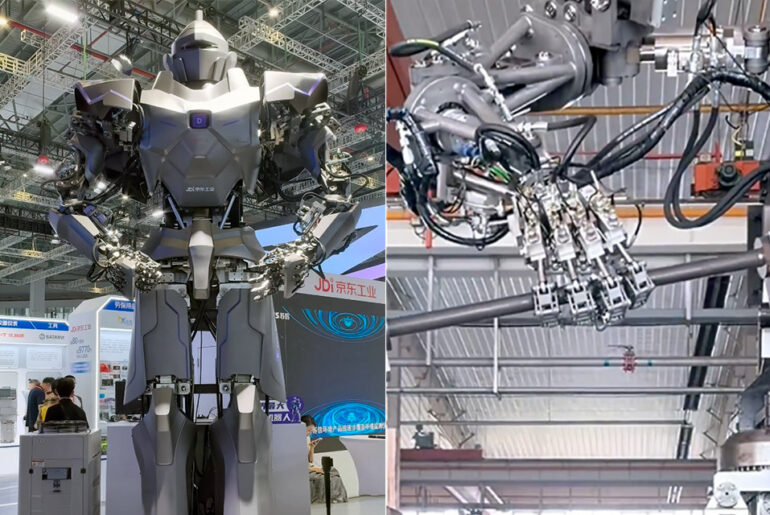
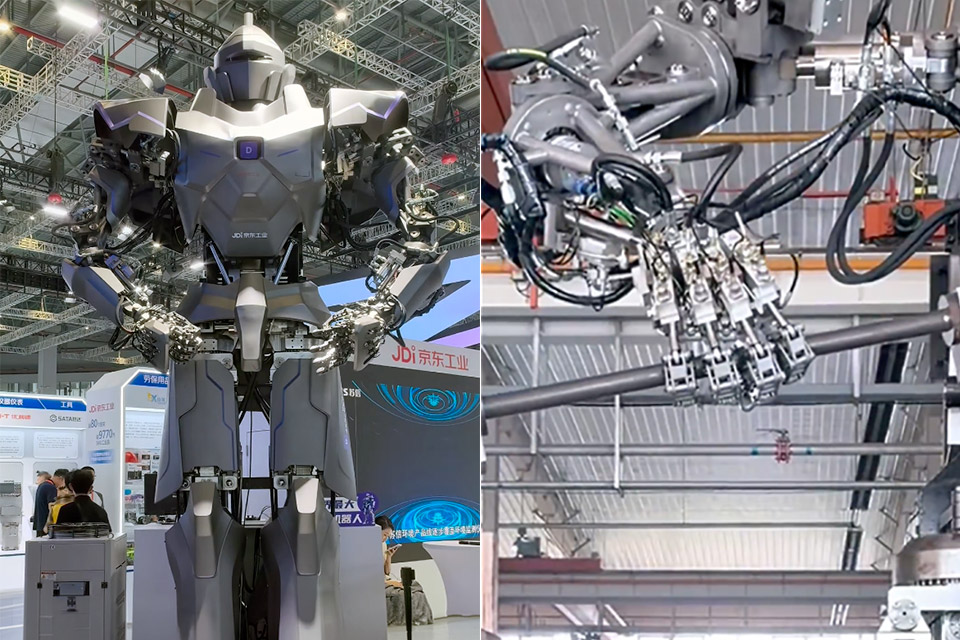
Visitors walking the floor of the 2026 China International Industry Fair in Beijing came face to face with a machine that stands four meters tall and weighs 1.2 tons. Neo1 from NeodraDynamics Robotics Technology does not look like the smaller electric humanoids that have spent years practicing in labs. Its frame uses a hydraulic-electric hybrid drive, with 39 of its 41 active joints powered by miniature digital hydraulic linear actuators the company built itself. Each of those actuators weighs roughly one kilogram yet produces continuous thrust measured in tons. The remaining two joints, both rotational points in the forearms, rely on electric drives.

Airbus U740 Valkyrie Maiden Flight
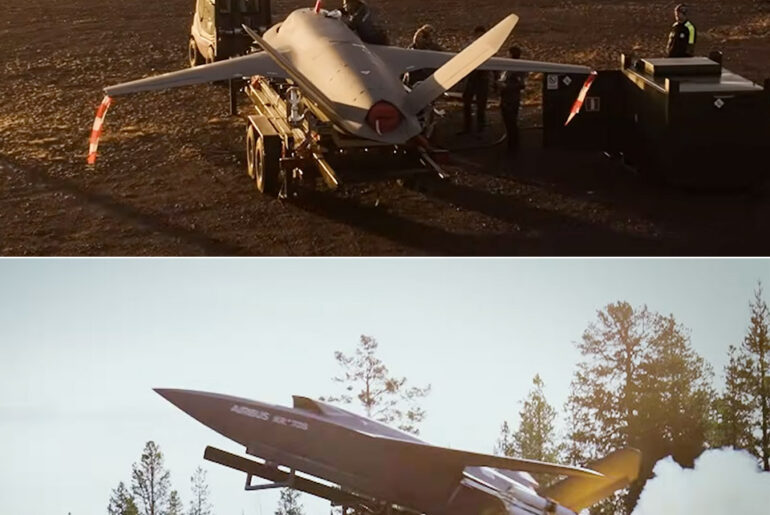
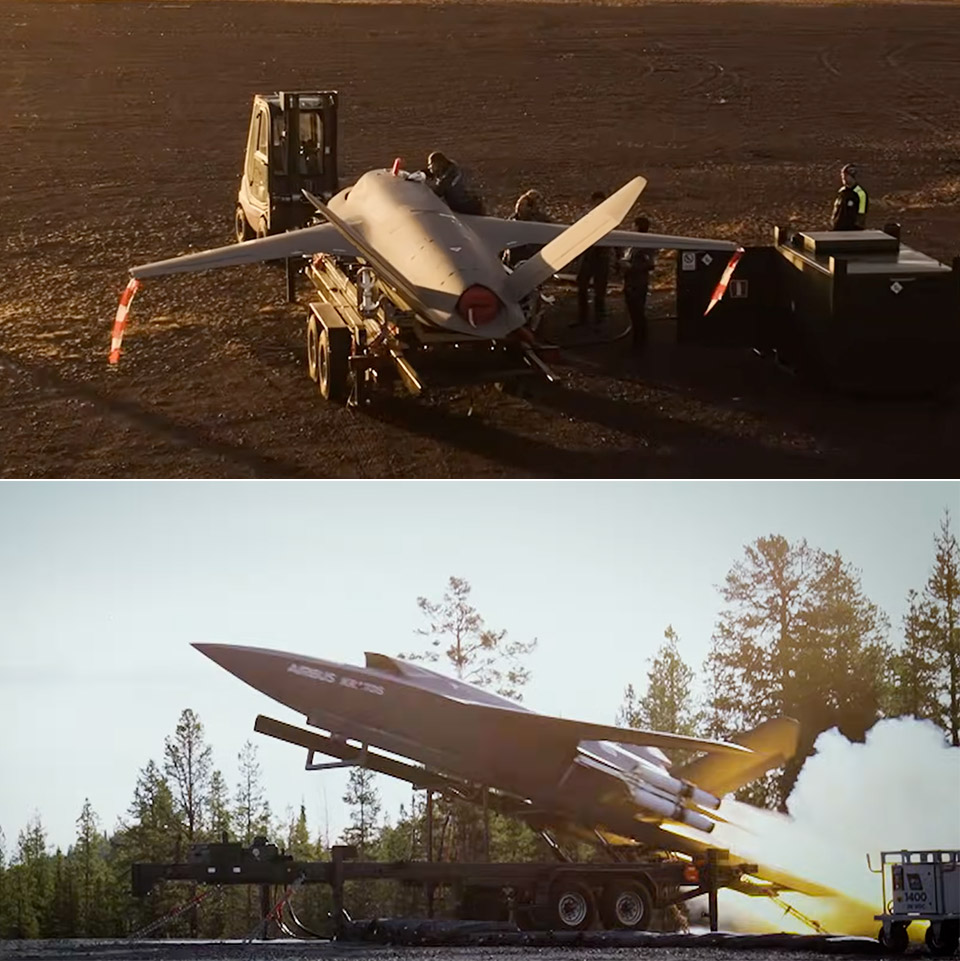
Airbus and Kratos completed the first flight of the U740 Valkyrie on October 12, 2026, from a test facility in Northern Europe, confirming the program remains on schedule for a combat ready collaborative combat aircraft by 2029. The aircraft lifted off with rocket assistance that removed any need for a runway, then performed maneuvers at several altitudes while reaching speeds up to Mach 0.8 and accepting changes to its mission plan in the air. All planned objectives were met on this initial European sortie, which used an airframe already proven in American testing since the XQ-58A first flew in 2019.