Smartphones deliver more power and polish than ever, yet most follow the same safe template. AYANEO decided to break the mold with its first smartphone. The Pocket Play takes the sliding concept from Sony’s long-gone Xperia Play and updates it for today’s games and apps. Slide the 6.8-inch display upward in landscape mode and the magic happens. A full set of physical controls appears underneath. You get a proper D-pad on the left, ABXY face buttons on the right, two round capacitive touchpads that stand in for analog sticks, plus shoulder bumpers and triggers, while dedicated shortcut buttons sit within easy reach.


Nintendo opened its June 9 Direct with a range of updates and new projects, yet one segment stood apart for how little it actually showed. A short teaser confirmed that The Legend of Zelda: Ocarina of Time will arrive as a full remake built exclusively for the Switch 2, with release planned for later in 2026.

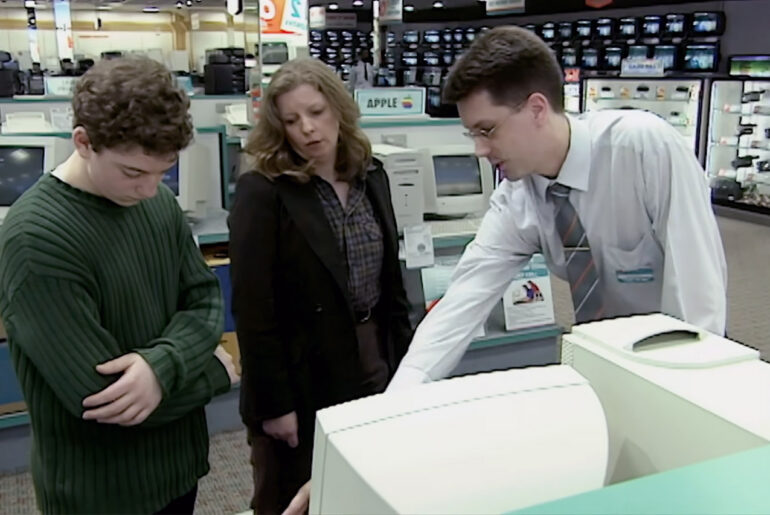
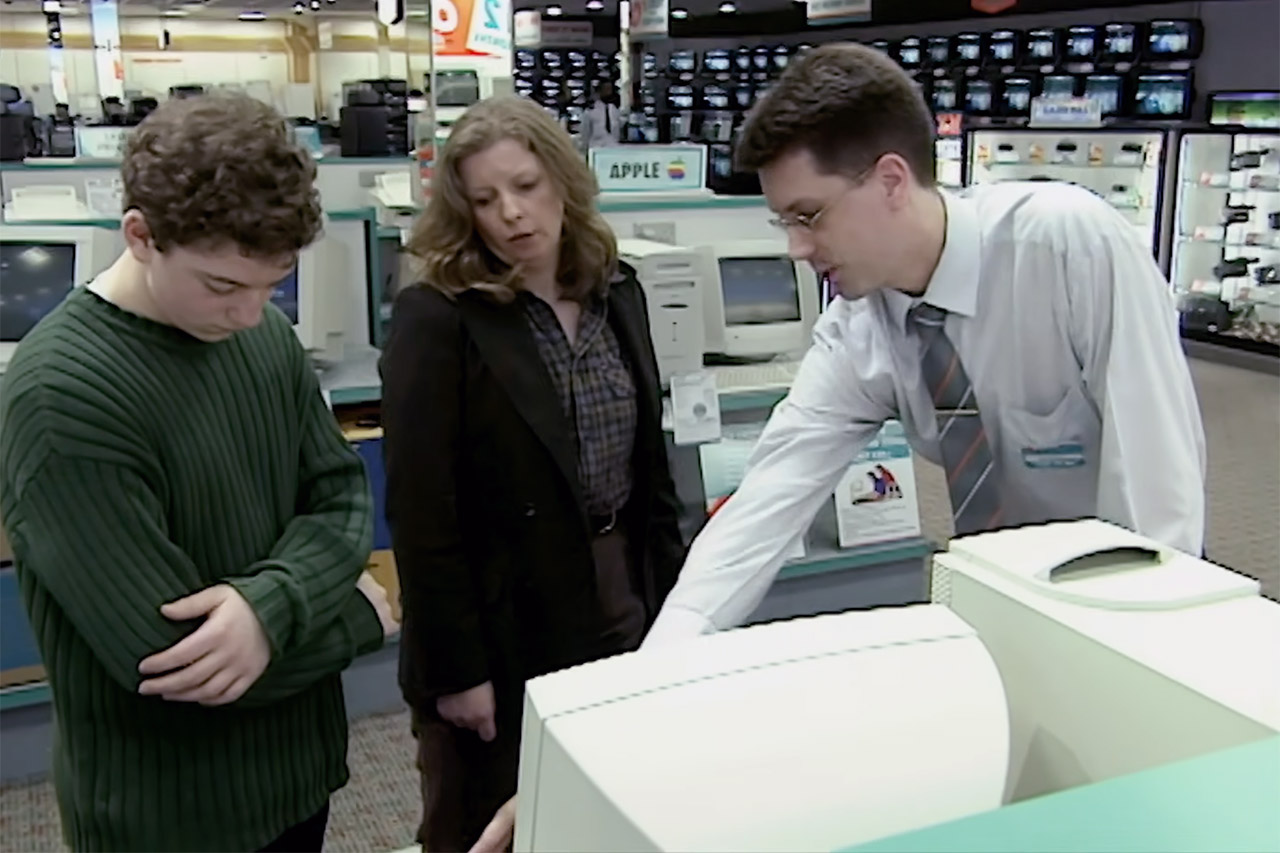
Families in Britain approached a major household decision with a mix of excitement and uncertainty in the spring of 1998. A BBC program from the Computers Don’t Bite campaign followed two of them step by step as they bought their very first home computers. The episode captured the practical choices, the new vocabulary, and the hands-on setup that turned an expensive piece of equipment into something the whole household could use.

Photo credit: Delft University of Technology | Micro Aerial Vehicles Lab
Researchers at Delft University of Technology have built a navigation method for small drones that copies one of nature’s most efficient routines. Honeybees fly long distances along twisting routes yet still head home with striking accuracy. The new system lets a drone do something similar after just one short practice flight near its base, all while using a learning program small enough to fit in the memory of a basic phone app icon.

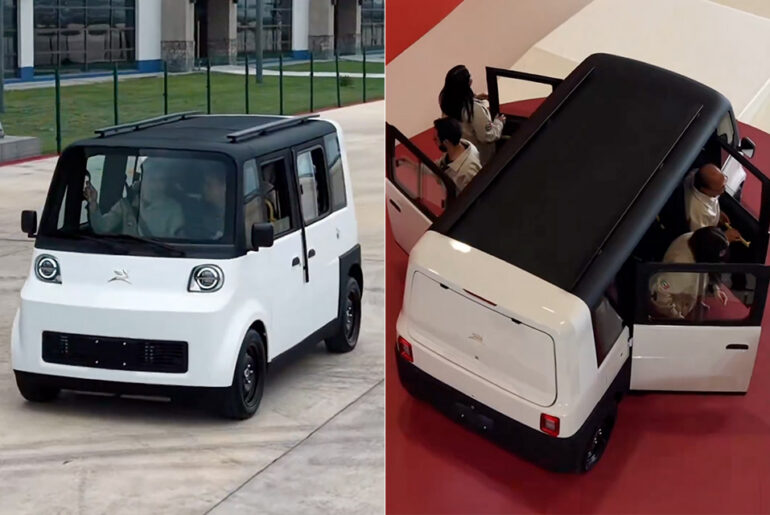
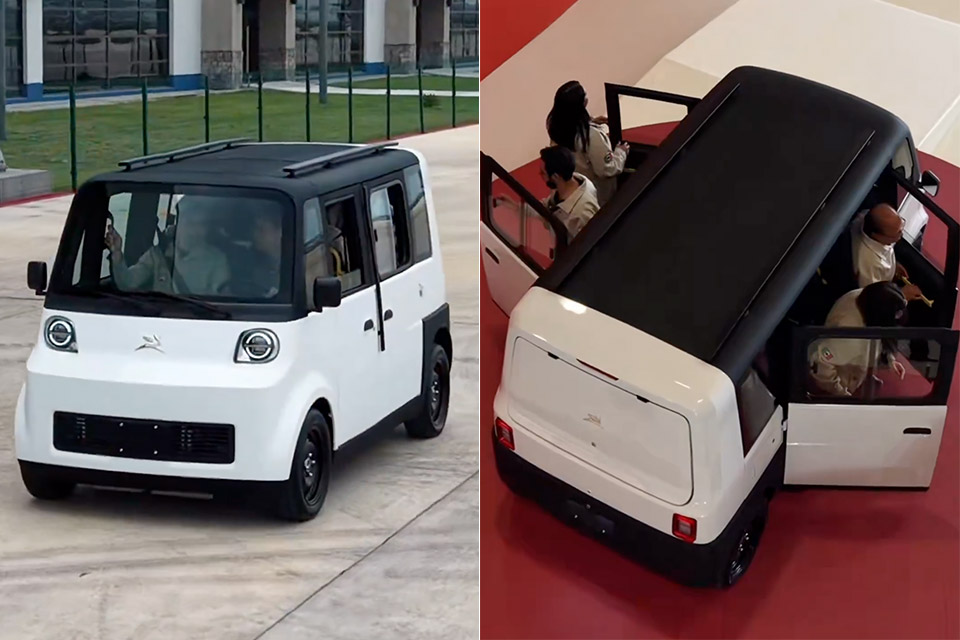
President Claudia Sheinbaum drove immediately into the stage set up inside a Mexican air force hangar in Mexico City, giving the world its first glimpse of the Olinia Uno, a 100% Made-in-Mexico electric vehicle. The project was spearheaded by a team of Mexican engineers and academics who worked tirelessly to create a vehicle that could help propel the country into the electric-vehicle era. The Olinia Uno is a compact six-seater van that starts at 150,000 pesos, or around $8,000 to $8,600 USD at current exchange rates. Its intended demographic is, as expected, people who take short trips about the city, which is exactly what most driving in Mexico’s cities involves.