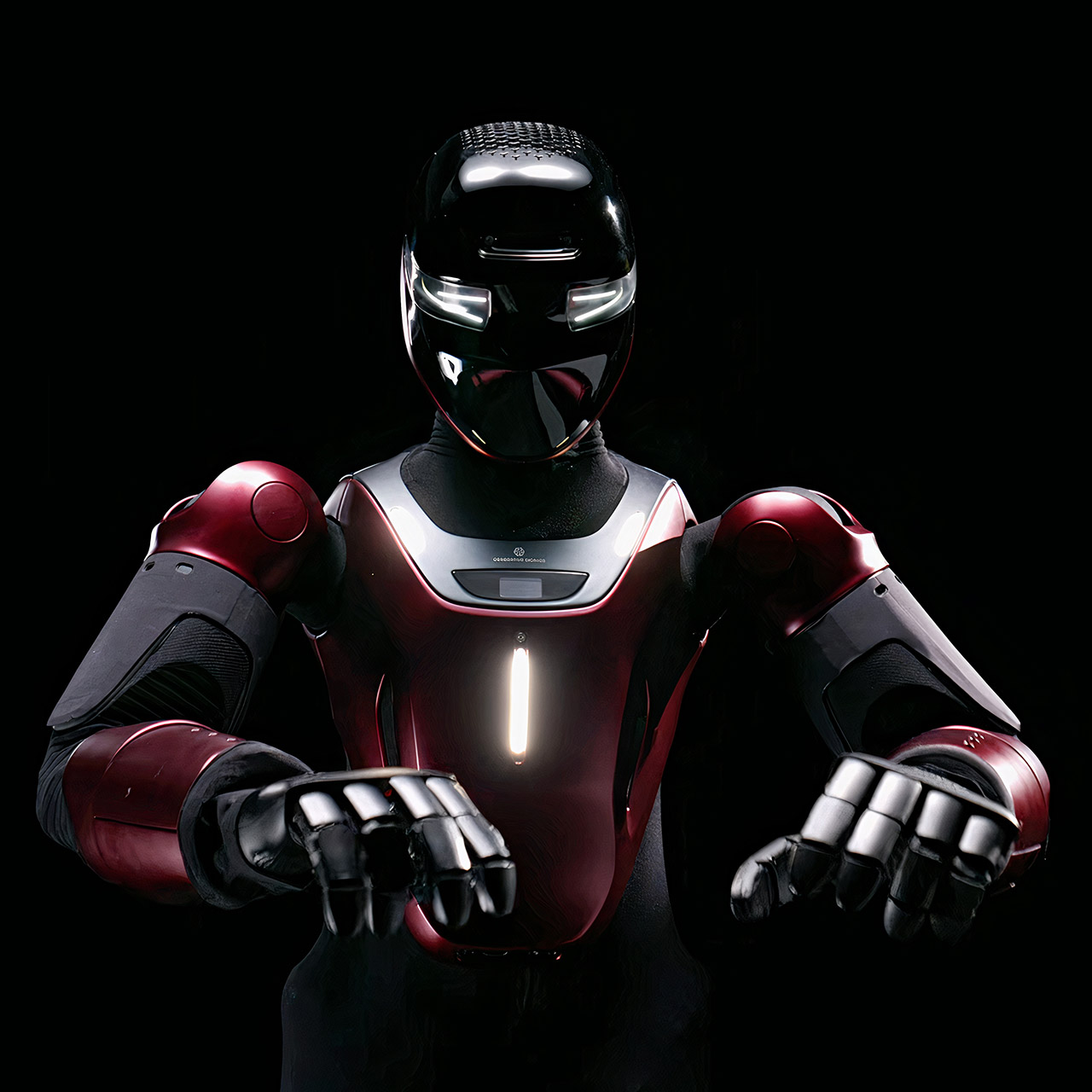
Researchers at Carnegie Mellon University built a wearable system that captures both the exact movements of a human hand and the precise locations and forces where it presses against objects. The device, called ART-Glove, or Articulated Tactile Glove, tackles a long-standing gap in robot training. Robots have grown skilled at seeing their surroundings through cameras, yet they still struggle when tasks require careful contact, variable grip force, or coordinated finger adjustments during everyday actions like turning a key or unscrewing a cap.

Anbernic designers shaped the RG 55G1 around a 5.5-inch display covered by a single sheet of 2.5D glass. The glass curves at the edges to blend smoothly into the plastic body, creating a more finished look than a flat panel would allow. Anbernic will offer the handheld in Indigo, a vibrant purple tone, Retro Gray with multicolored ABXY buttons, and plain Black. Each version keeps the same layout and materials, so buyers can choose based on style rather than function.

Most people have sat in a go-kart at some point. The seat sits low, the steering feels direct, and the whole thing skitters around with a kind of playful urgency. Very few have ever climbed into one that still carries the shape and branding of a soda machine. A maker known as Mixed Bag set out to close that gap. He bought a used Pepsi vending machine for a hundred dollars on Facebook Marketplace, then spent four months turning it into something that could actually drive.

Midjourney once built its reputation on turning short text descriptions into elaborate digital images. The company has now announced a sharp turn toward hardware that produces something far more personal: three-dimensional maps of what lies beneath a person’s skin. The new effort, called Midjourney Medical, centers on an ultrasound scanner designed to gather rich body-composition data in roughly a minute while the user stands in a shallow pool of gently lit water.

Demand for artificial intelligence compute continues to rise, necessitating the search for new sources of reliable power and effective cooling. Facilities built on land frequently face opposition from communities concerned about electricity bills, noise, and water consumption. Panthalassa, a Pacific Northwest-based company, has spent the last decade developing floating platforms that generate power straight from ocean waves while staying cool in the surrounding waters. Data is transmitted to and from the platforms via satellite links rather than undersea cables. The strategy isolates operations far from shore and takes advantage of wave energy that is available around the clock in strategically chosen places.