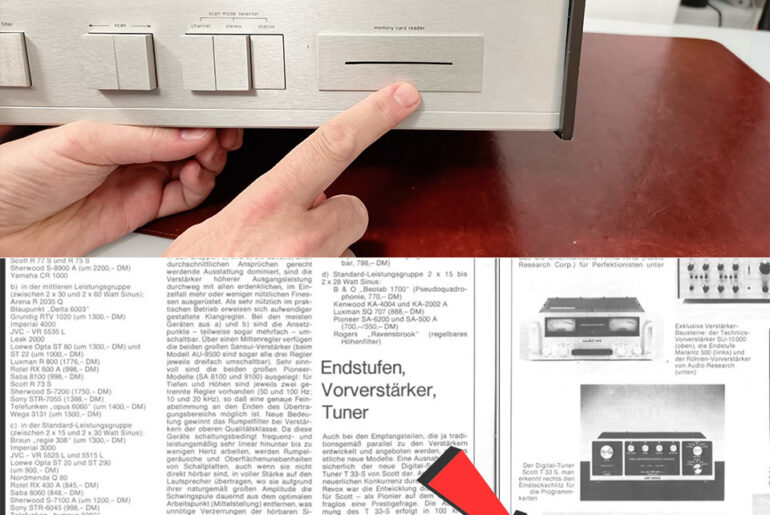
Owners of original PlayStation consoles have watched their disc drives age for decades. Lasers fade. Games start to skip or fail to load altogether. Replacement drives grow scarce and expensive. A new device called ArcStation steps in with a direct solution. It replaces the entire optical drive assembly inside the console with a compact circuit board that loads games from an SD card instead. No discs stay necessary after setup. The change keeps the original hardware intact and authentic while removing the most common point of failure.

Logitech teamed up with the Genshin Impact team for a special edition of its slim wireless keyboard, and the result feels more thoughtful than most licensed gear. The G515 Kamisato Ayaka special edition model, priced at $69.99 (was $170), takes the standard low-profile TKL hardware and wraps it in a clean white design that nods to the character without turning the whole thing into a billboard. It stays subtle enough for daily use while still giving fans something distinctive to look at every time they sit down.

Few devices attempt to blend serious outdoor durability with features that feel borrowed from a living room setup. The 8849 Tank 5 does so without apology. This latest entry in the Tank series arrives as a thick, heavy slab of a phone that carries a built-in 2K DLP projector, a 17,600mAh battery, and flagship-grade internals while meeting strict IP68 and IP69K standards for dust and water resistance.

Collaboration between LEGO and Koenigsegg built a vehicle that turns heads for all the right reasons. The two companies created a full-scale version of the Sadair’s Spear using LEGO Technic pieces, and the finished machine drives under its own power on real roads and courses.

Researchers at Carnegie Mellon University built a wearable system that captures both the exact movements of a human hand and the precise locations and forces where it presses against objects. The device, called ART-Glove, or Articulated Tactile Glove, tackles a long-standing gap in robot training. Robots have grown skilled at seeing their surroundings through cameras, yet they still struggle when tasks require careful contact, variable grip force, or coordinated finger adjustments during everyday actions like turning a key or unscrewing a cap.