Rumors about Sony’s next PlayStation console have grown louder in recent weeks, painting a picture of a major hardware jump paired with real uncertainty about when it will actually reach players. One detailed report claims Sony aims to release both a home version of the PS6 and a matching portable device by the end of 2027, with both arriving at the same time around the world. Development on the two systems is happening together, and each will run games from the PS4 and PS5 libraries without any extra steps. The home model will still accept physical discs, giving fans the choice they have come to expect.

Photo credit: WSJ
Colin Angle, the co-founder who transformed the humble vacuum into a household staple, left iRobot in 2024 to pursue a new business, Familiar Machines & Magic. His most recent creation, Familiar, a four-legged companion, adds a unique element to living rooms. The prototypes, Daphne and Winston, are about the size of a bulldog. They have soft artificial fur to give them a cuddly appearance, and a touch sensitive layer underneath to detect how people interact with them. Their huge, round bear-cub ears and doe eyes draw them up for a conversation.

Users who text friends or family on Android devices will notice their conversations in the Messages app feel more secure right away. RCS messaging now supports end-to-end encryption by default, meaning no one else can read those messages while they travel between phones. A small lock icon appears at the top of any encrypted RCS chat so everyone knows the protection is active, and an Encrypted label shows up as well. The system turns encryption on automatically over time for both new chats and older ones, with no extra steps required from the user beyond having a supported carrier plan.

Prices for computer memory and storage continue to rise every few months, driven by demand for new AI features across the industry. At the moment, you can get a high-end 14.2-inch MacBook Pro for $1,849 (was $2,100), and this model has the M5 CPU, 32GB of unified memory, and 1TB of SSD storage.

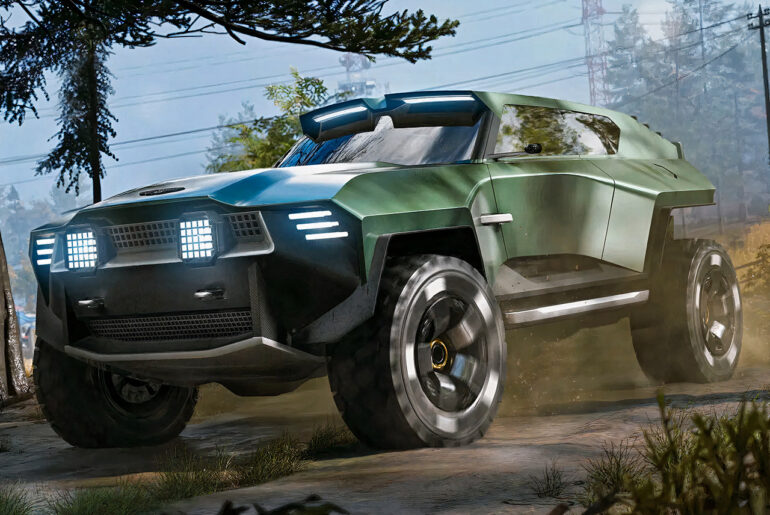
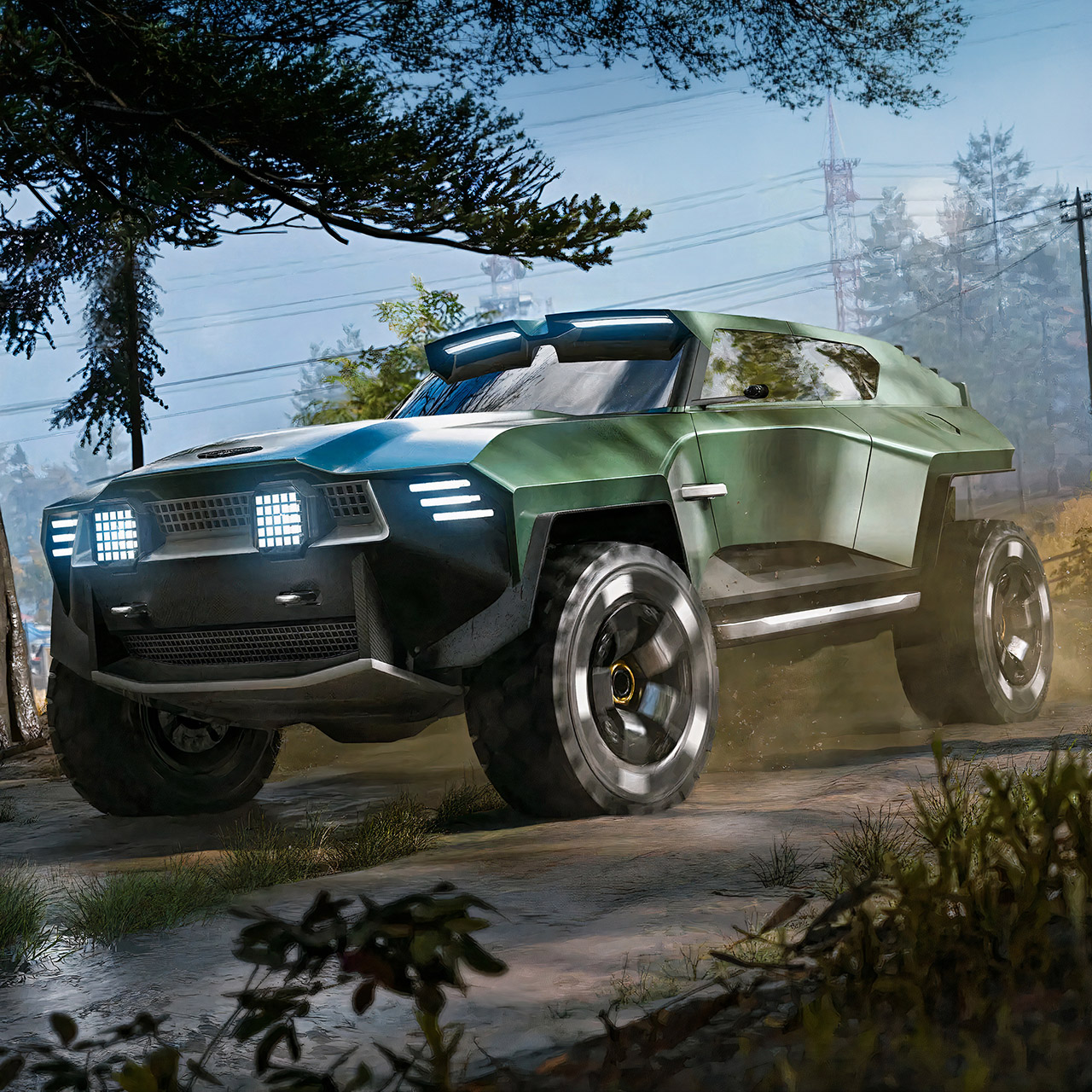
Kia designers have pushed the Vision Meta Turismo concept to a point where a fastback version already stands 90% complete and ready for the assembly line. Engineers built this model on a fresh platform created just for high-performance electric vehicles, and every major element from body shape to interior layout matches what buyers would see in showrooms.

Researchers at MIT reached back to 1985 and pulled an old design out of storage. What they built with 3D printers now turns three floppy plastic strips into a solid beam in seconds. The device carries a simple name: the Y-zipper. Its triangular profile locks parts together so tightly that soft tentacles become load-bearing supports. Engineers can print the whole assembly in ordinary plastic and watch it switch states on command.

Buyers wanting to pick up a Steam Machine will suddenly find themselves digitally queuing before they can even make a reservation. Valve built this reservation queue after watching the Steam Controller sell out in minutes and show up on resale sites at huge markups. The new system changes the launch process from a frantic click race to an orderly wait that favors actual players.

Full motion racing simulators deliver that stomach-dropping feeling of speed and cornering, yet most setups carry prices that put them out of reach for regular players. Researchers saw an opportunity in the growing number of humanoid robots already available in some homes and labs. Their solution carries the name HumanoidTurk and centers on a Unitree G1 robot that sits right behind whoever is playing.

Modders have been experimenting with cardboard enclosures for years, but few can pull off something as elegant as computer enthusiast mryeester’s latest creation. His finished system appears to have been put together as a purposeful design choice rather than an emergency repair job. It has the works, as in clean cutouts, lots of layers to keep it rigid, and just enough room inside to fit conventional components without difficulty.

One computer enthusiast finally hit the wall with a crowded closet full of loose gear and realized something had to change. He set out to create a small data center that would run its own servers, manage networking, and keep everything neat enough to fit inside a regular room. He ended up with a 12U rack on wheels, complete with corporate hardware, unique cables, and smart mounts that kept everything accessible while remaining relatively compact.