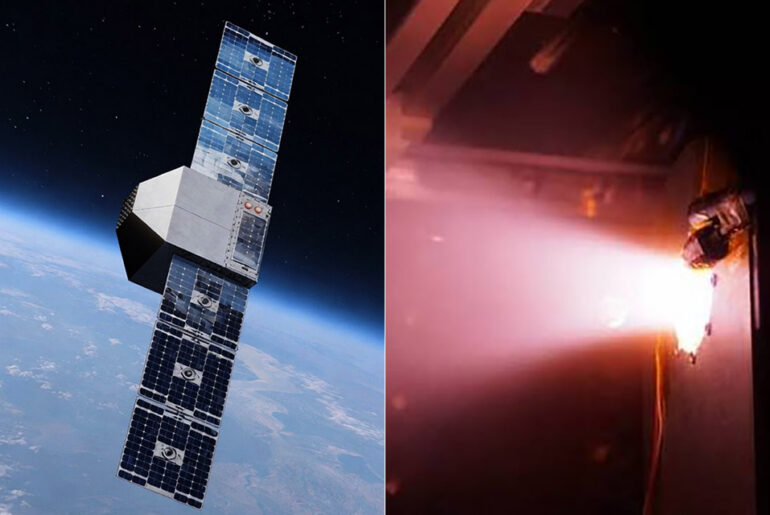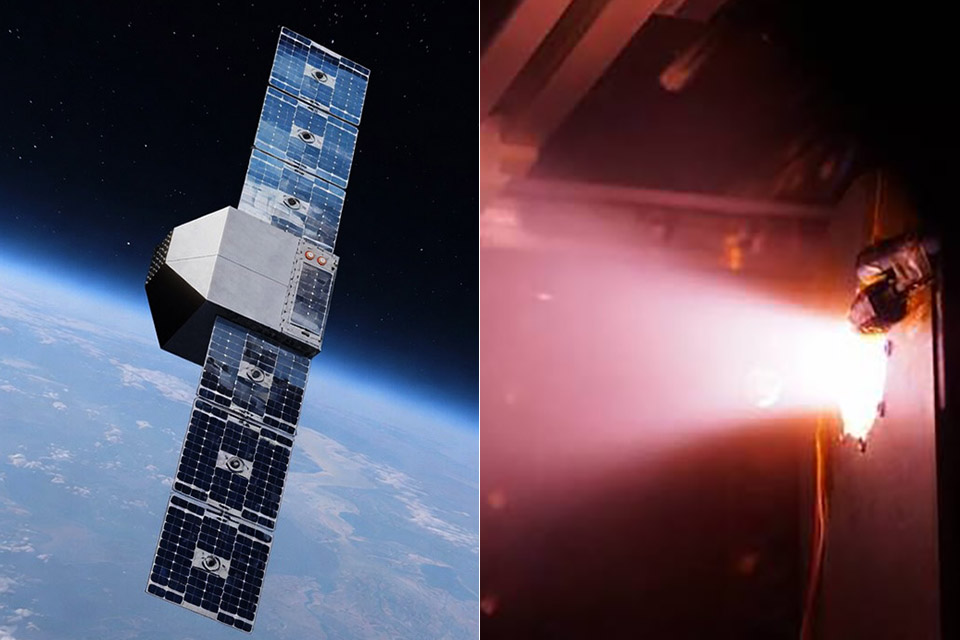
NASA has awarded Intuitive Machines a $180.4 million contract to deliver seven science payloads to a carefully chosen site near the lunar south pole. The Houston based company will use one of its larger lander configurations for the mission, designated IM-5, with a target landing date of around 2030 at Mons Malapert. The location was selected for good reason. The ridge maintains fairly consistent line of sight with Earth, receives relatively steady sunlight, and sits close to permanently shadowed regions that may hold water ice, a resource that could prove critical to sustaining long term human operations on the Moon.

The Veehop 4WD Scooter is worth a look for anyone who wants to take a scooter somewhere a standard two wheeler simply could not handle. Four wheels, each with its own electric motor and independent suspension, give it the kind of all terrain capability that the name suggests, and with the stem folded down it is compact and light enough to fit in most car trunks.

Spray paint artists have long dealt with a frustrating problem. Getting the range of colors a single mural might need means carrying a heavy collection of cans and inevitably running out of one shade mid-project with a pile of barely used others left over. Sandesh Manik spent years as a mechatronics student building a solution he calls Spectrum, a compact machine that draws from four standard spray cans and blends them into hundreds of custom shades on demand.

Sony announced earlier this week that the PS5 is getting a price increase, with the new $649.99 price taking effect on April 2nd. Anyone willing to act in the next few days can still pick up the current 1TB disc edition at the existing $549.99 price from major retailers, which amounts to a $100 saving well worth acting on if a PS5 has been on your list.

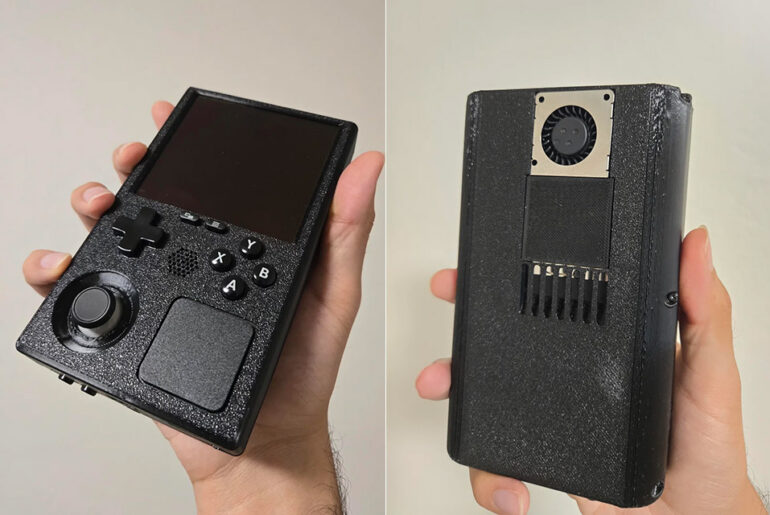
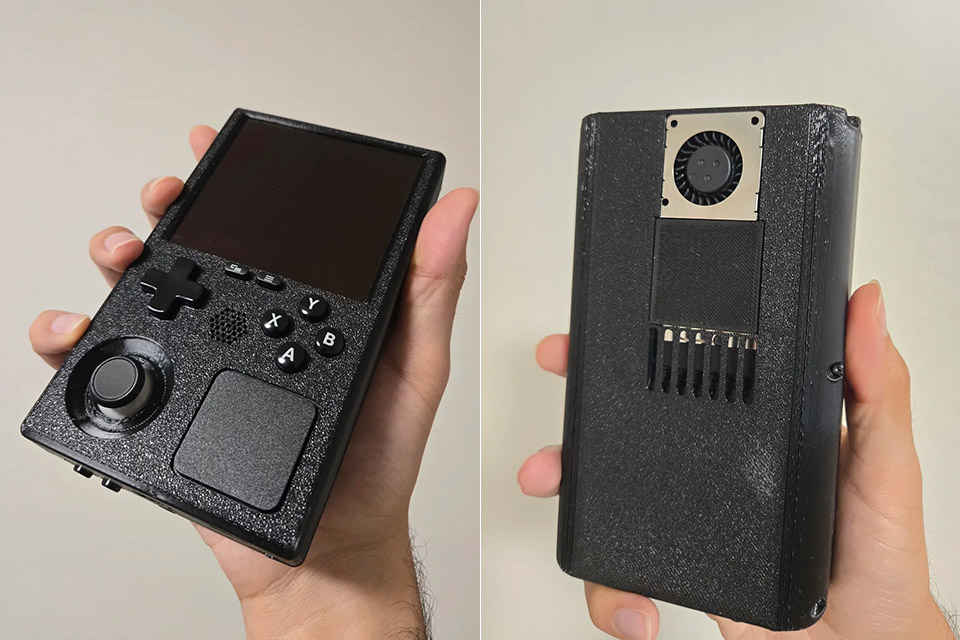
An old Macintosh SE motherboard was sitting in a workshop gathering dust when its owner had a change of heart. Flipping through some early 90s magazines and a book that This Does Not Compute had held onto for decades, he found himself reading about mail order Mac builds that hobbyists had been quietly assembling from catalog parts, earning the nickname Cat Macs for exactly that reason. They offered a way to get into Apple hardware without paying full retail, and the idea stuck with him. This time around he would do something similar, but with a 3D printer doing the heavy lifting.

Soviet engineers faced a constant uphill battle keeping pace with the rapid development of consumer electronics, working without access to foreign components or technical blueprints. Nowhere was that more apparent than in their approach to compact disc technology. Work on the Luch-001 prototype player wrapped up in 1979, but the result was a genuinely strange machine, reading data from glass discs using a helium-neon laser. Production didn’t take off because they couldn’t make enough, and red tape slowed things down for years.

Long before phone cameras became the answer to almost every photography need, Sony released something in 2003 that took a very different approach to the whole idea of a camera. The DKC-C200X was built for one job and one job only, capturing passport and ID photos on the spot. Designed to work as part of Sony’s UPX-C200 system alongside a dedicated printer, the whole setup operated as a self contained unit with no cables or connections required, making it exactly what post offices and ID processing centers needed to turn around photos quickly and reliably

Apple has quietly pulled the Mac Pro from its online store, bringing an end to a machine that spent nearly two decades as the definitive choice for creative professionals who needed every last bit of computing muscle available. Built on the Power Mac foundation, the early towers earned their place in post-production houses and research labs by offering the kind of internal expandability that let users slot in extra storage, graphics cards, and specialized hardware as their needs grew, a level of flexibility that made them genuinely hard to walk away from.

BlackBerry entered the tablet market in the spring of 2011 with the PlayBook, a 7-inch tablet that had to compete with larger offerings from Apple and others. People who picked one up quickly noticed how portable it was, fitting easily into a bag or coat pocket for on-the-go use.

Australian researchers have pulled off something that quantum theory predicted but nobody had managed to actually observe in matter until now. Working with pairs of helium atoms, they captured the particles existing in two different locations simultaneously, their behavior frozen in a way that has no equivalent in everyday experience. It is the first direct observation of this phenomenon in matter rather than light, and it opens a new window into how the fundamental building blocks of our world actually behave.