People who avoid standard earbuds typically have the same complaints: pressure in their ears after a few minutes, sweat that builds up and causes things to come off, or the feeling of something strange trapped in there. For years, bone conduction headphones have provided an alternative by sending sound through your cheekbones rather than closing off the entire ear canal. Shokz’s latest product, the OpenRun Pro 2, priced at $150 (was $180), goes this a step further and offers results that may persuade even the most ardent skeptics.

After a long period of silence, the Trump T1 phone has resurfaced in a version that feels both familiar and, at the same time, somewhat redesigned. During a Zoom chat, Trump Mobile executives Don Hendrickson and Eric Thomas demonstrated the closest thing to a finished device, providing us with the clearest peek yet of what users may actually get their hands on. Those original plans to launch in the summer of 2025, followed by a shot at the end of the year, fell by the wayside; now the business says mid-March for carrier approvals and, presumably, the first wave of shipments to customers who put down a deposit as soon as possible shortly after that.

A star almost identical to our sun is nearing the end of its life in the Cygnus constellation, about 1000 light years away. Astronomers call this spectacle the Egg Nebula, or CRL 2688 for short. Hubble’s most recent image provides a magnificent view of this particular object in unprecedented detail, thanks to the combination of new data and previously captured images. What we get is a stunning display of light cutting through the dust.

Rivian’s R2 Prototype has hit road with early reviews, and it’s a capable electric SUV that truly delivers on the adventure promise without breaking the bank like its larger siblings do. The test rides were place on California highways, curvy back roads, and rocky off-road trails near Rivian’s Irvine headquarters. Most reviewers agree that the R2 retains the adventurous spirit of the larger R1 models while also making it more fun and approachable for daily driving.

DD Squad decided to put a classic physics demonstration to the test in the real world. They built a catapult on the back of a flatbed truck and used it to launch one of their team members in the opposite direction of the truck, which was traveling at around 50 miles per hour (81 kilometers per hour). What transpired appeared to be inconceivable, as the guy appeared to float in mid-air for a brief while before the truck sped away into the distance.

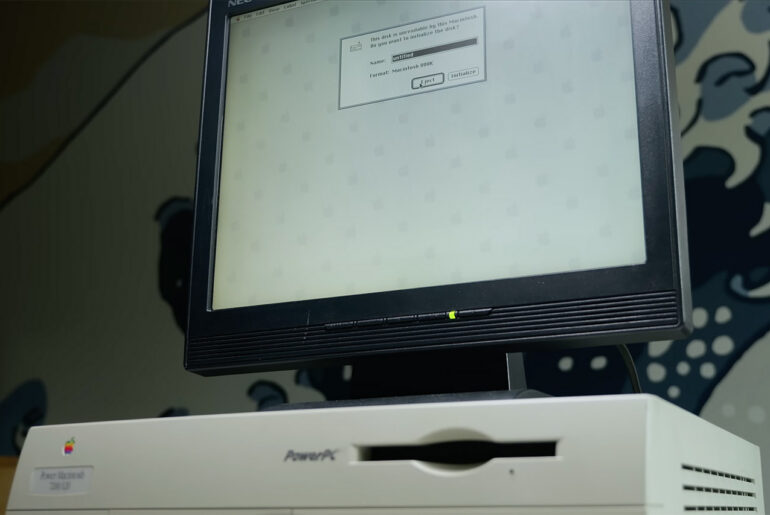
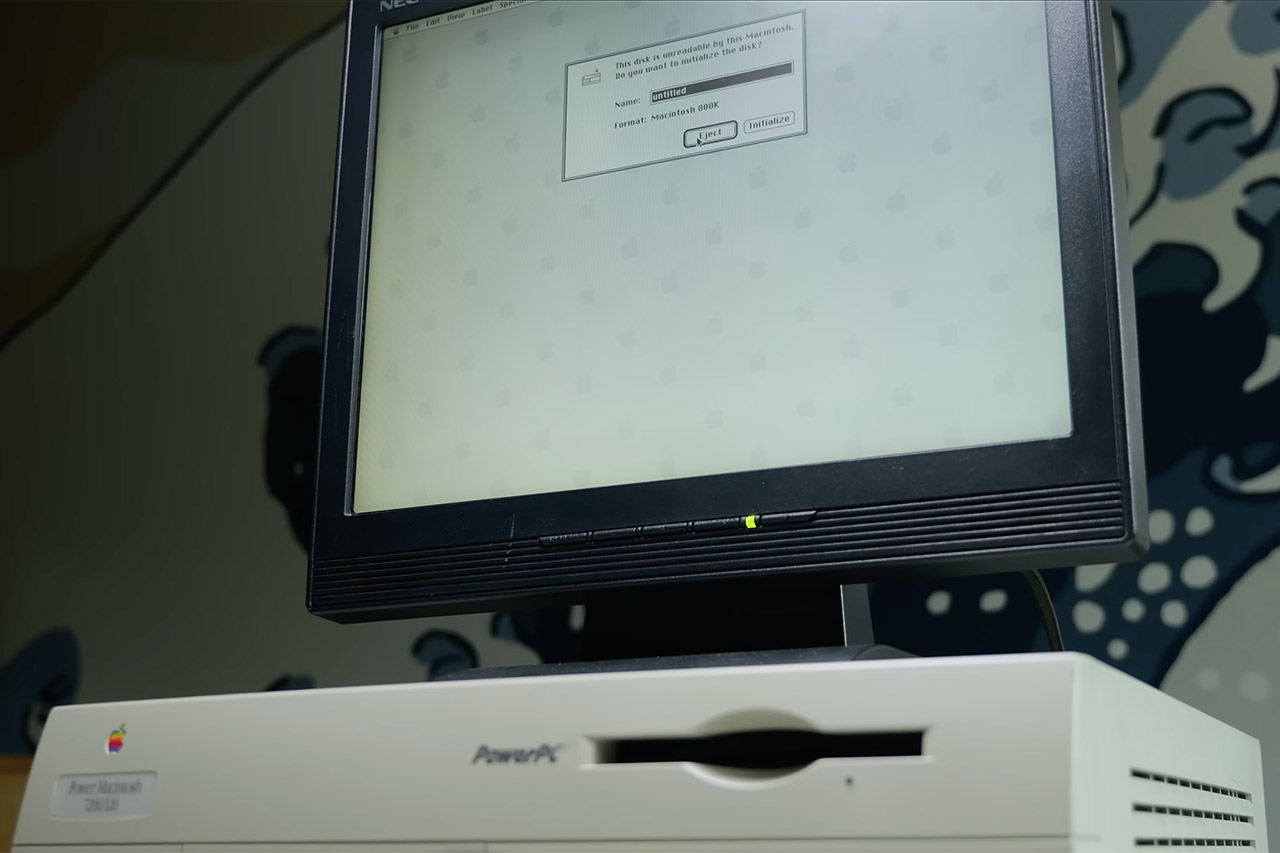
The IBM MWave sound card is still talked about in retro computing circles today, though not in a good way. It’s remarkable how many people can’t stop thinking about how disappointing it was. Launched around 1992 and utilized in IBM’s Aptiva desktops and ThinkPads, the MWave was designed to be a nifty little combo of sound playback and dial-up modem on a single chip. The idea promised convenience and cost savings during an era when sound cards carried prices similar to today’s graphics cards, but reality delivered something far different.

Sony’s PS Vita is still regarded by many as one of the best handheld gaming devices, thanks to its brilliant screen, comfy design, and extensive game catalog. Anbernic has already released two new handhelds that clearly take design inspirations from the original classic: the RG Vita and the RG Vita Pro.

Lockheed Martin’s Lamprey Multi-Mission Autonomous Undersea Vehicle (MMAUV) challenges traditional methods for operating underwater drones in adverse environments. This stealthy autonomous vehicle attaches to a larger ship or sub, travels quietly to remote locations, and is ready to enter without using up its own power.

Maker Nick Maselli created a pretty decent laundry folding robot prototype in under 24 hours for a client who simply needed the job done. He named it Sourccey, and it’s essentially a movable, cylindrical box with a dome on top, two articulated arms, and a center vertical lift to access items. The majority of the structural components, from arm parts to outer enclosures, were created using a 3D printer that produced PLA filament. The fact that it can print so quickly allows them to swap items out throughout the build window.

Samsung’s Galaxy S25 FE, priced at $450 (was $650), delivers the performance of a high-end model at a much lower price. The phone measures 161.3 by 76.6 by 7.4 millimeters, making it the thinnest and lightest Fan Edition device you’ve seen thus far, weighing in just 190 grams.