
When Tesla finally rolled out the redesigned second-generation Roadster at its McGregor event this month, most of the attention stayed on the thrusters, the suction fans, and the short flight off the end of an inverted track. The cabin itself received far less stage time, yet videos posted by Sawyer Merritt and a fresh clip from Tesla itself now give the clearest look yet at the interface that sits beside the squared-off yoke.

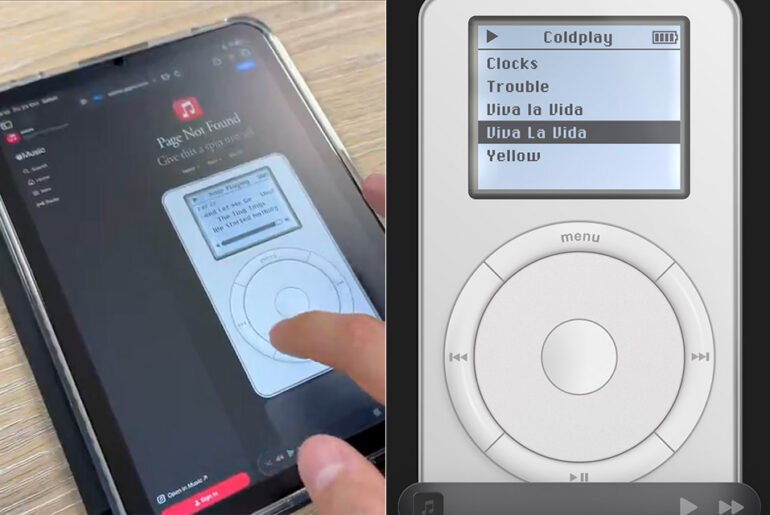
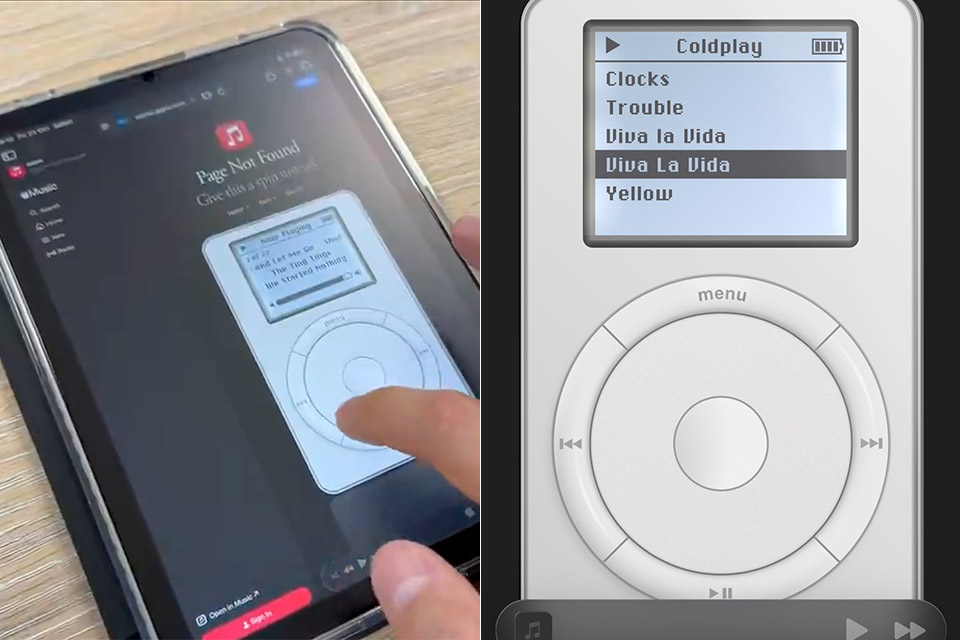
Twenty five years after Steve Jobs unveiled the first iPod on October 23, 2001, Apple has tucked a working replica of that exact device into the error page of its music service. Anyone who types a nonexistent address into music.apple.com now sees the familiar white player beside the words Page Not Found and Give this a spin instead. The recreation matches the original monochrome screen and mechanical scroll wheel so closely that turning the virtual dial produces the same soft click once heard on every commute and plane ride of the early 2000s.

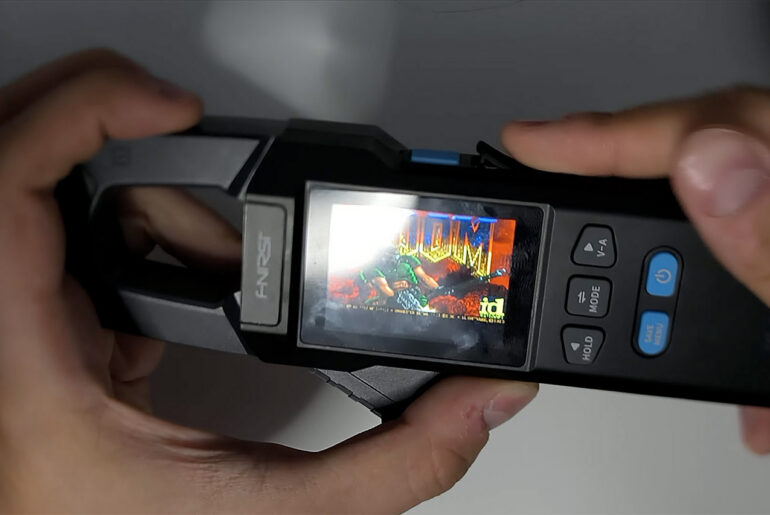
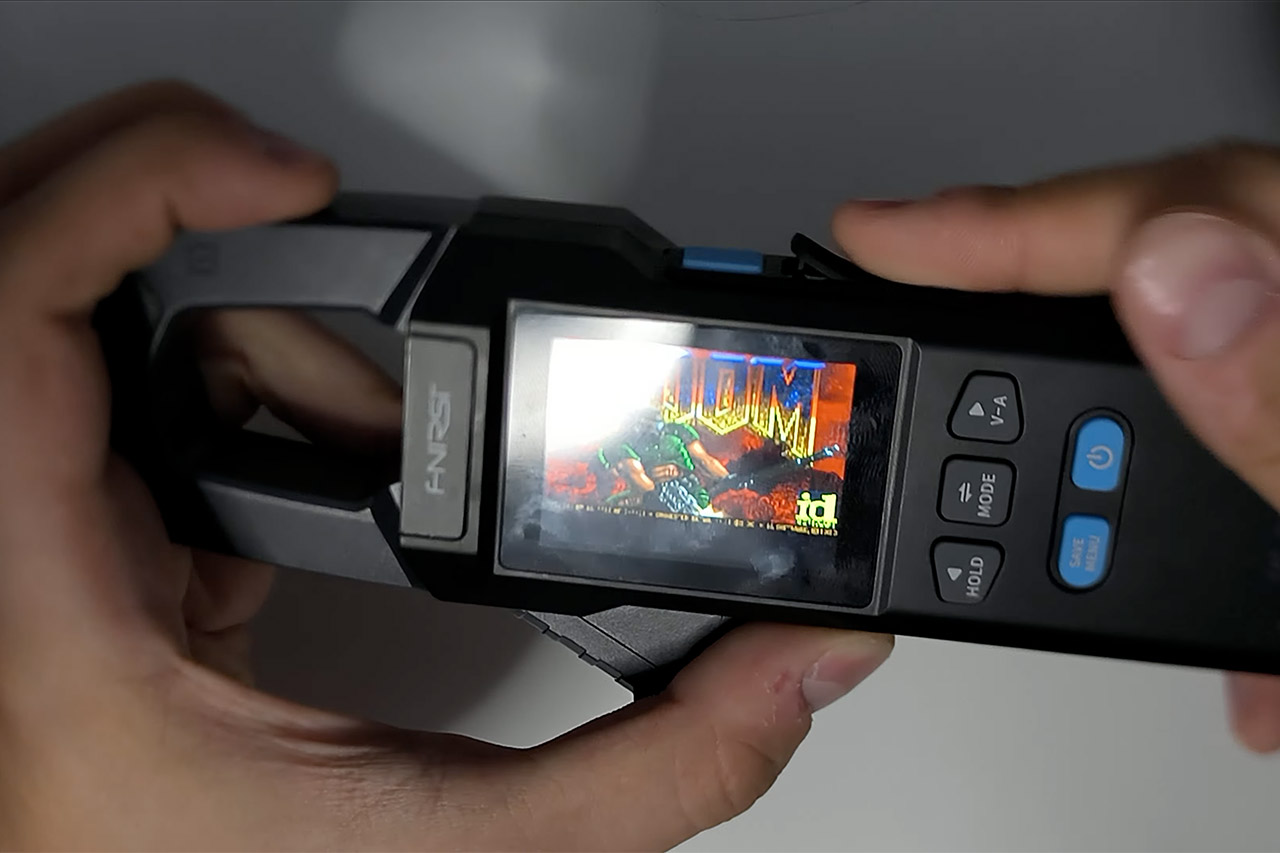
A thirty-dollar FNIRSI DMC-100 clamp meter now hosts a complete, playable episode of DOOM, complete with all nine maps, the title screen, intermissions, the finale, the menu, and four save slots. Polish developer Artur Bieniek made this possible by adapting the doomgeneric engine, drawn from id Software’s source release, to the meter’s Artery AT32F415 microcontroller. That chip runs at 150 MHz, yet it provides only 32 kilobytes of RAM, an amount smaller than the 64,000 bytes needed for a single original Doom frame. Bieniek’s port therefore ranks among the leanest versions of the game ever made, beating the previous low of 64 kilobytes recorded on a Neo Geo release.

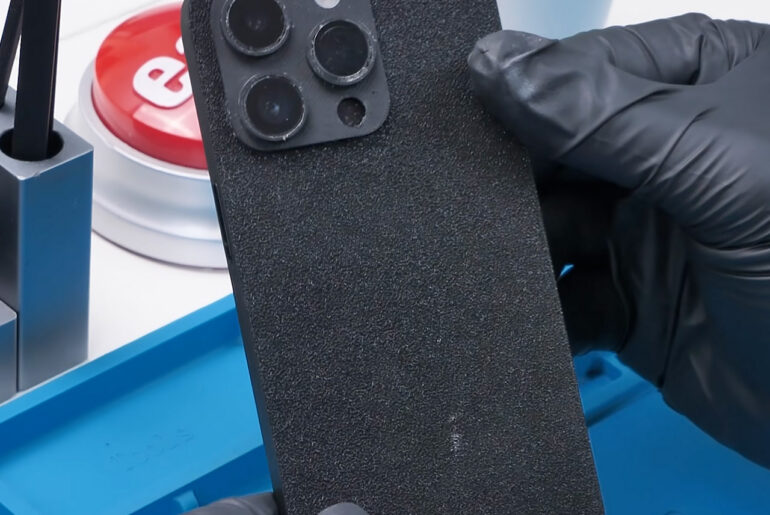
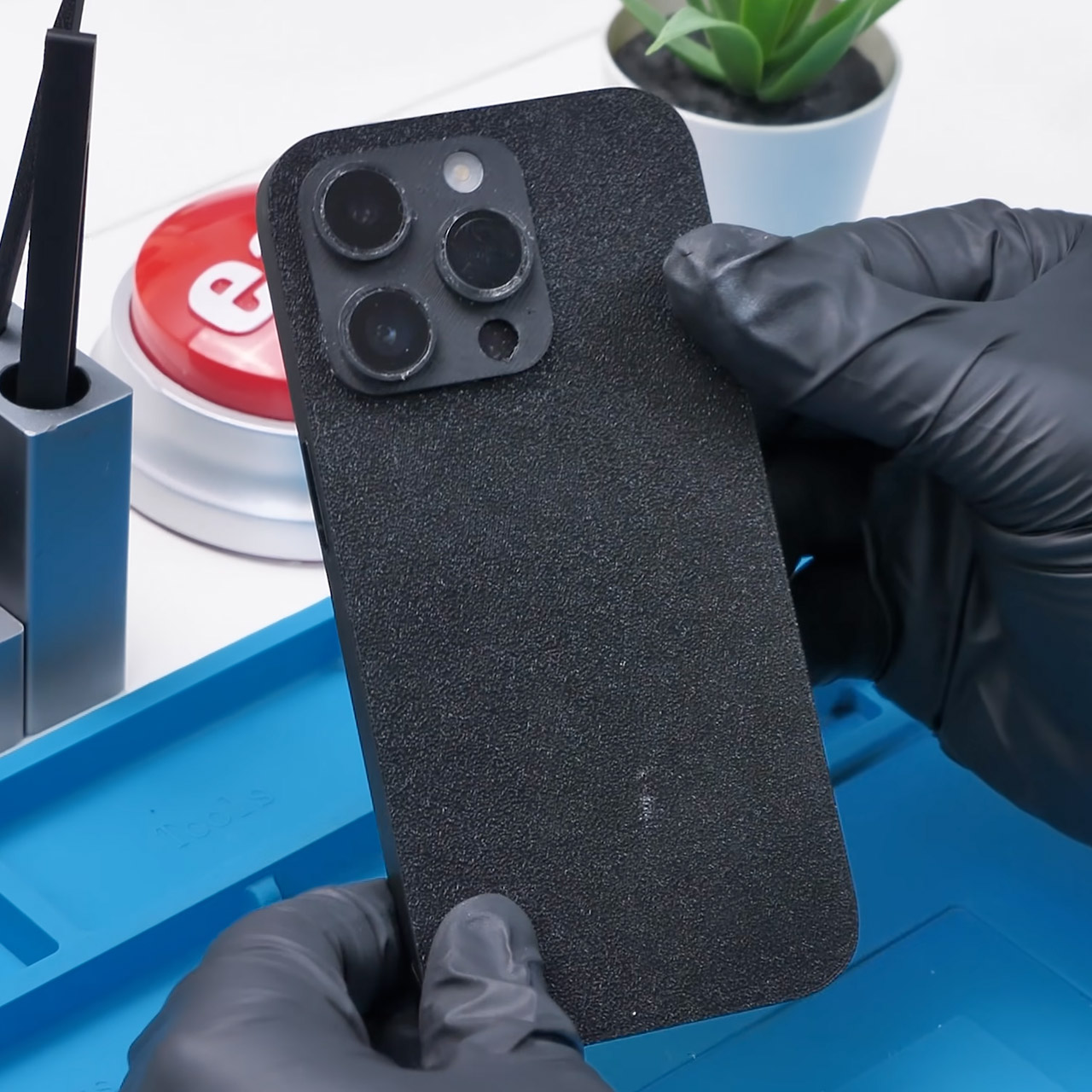
Phone Repair Guru set out to answer a straightforward question: could parts pulled from a broken iPhone 14 Pro sit inside a housing made entirely on a 3D printer and still produce a phone that boots and functions. To push the idea further, the tools used for the assembly would also come off the printer, with only the metal screwdriver bits kept real. A Bambu Lab P2S Combo handled the printing, but designing a housing precise enough to hold everything required outside help. PatoCube handled the 3D scanning of original housings and the subsequent design work, going back and forth until the tiny internal details lined up.

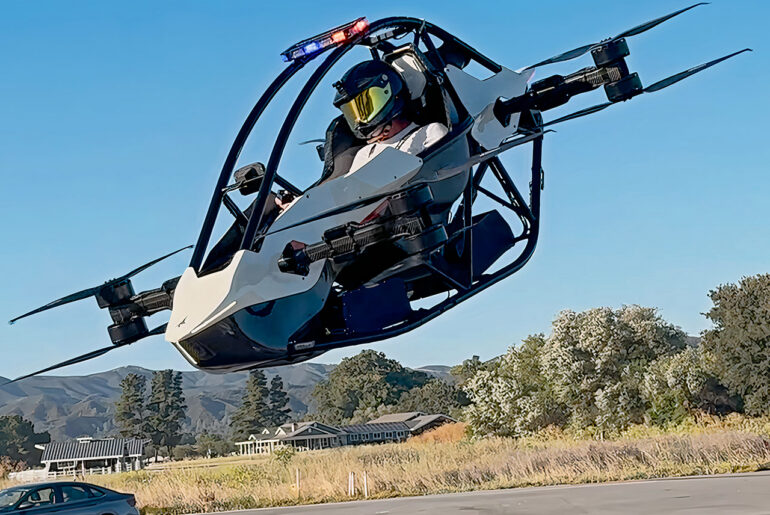
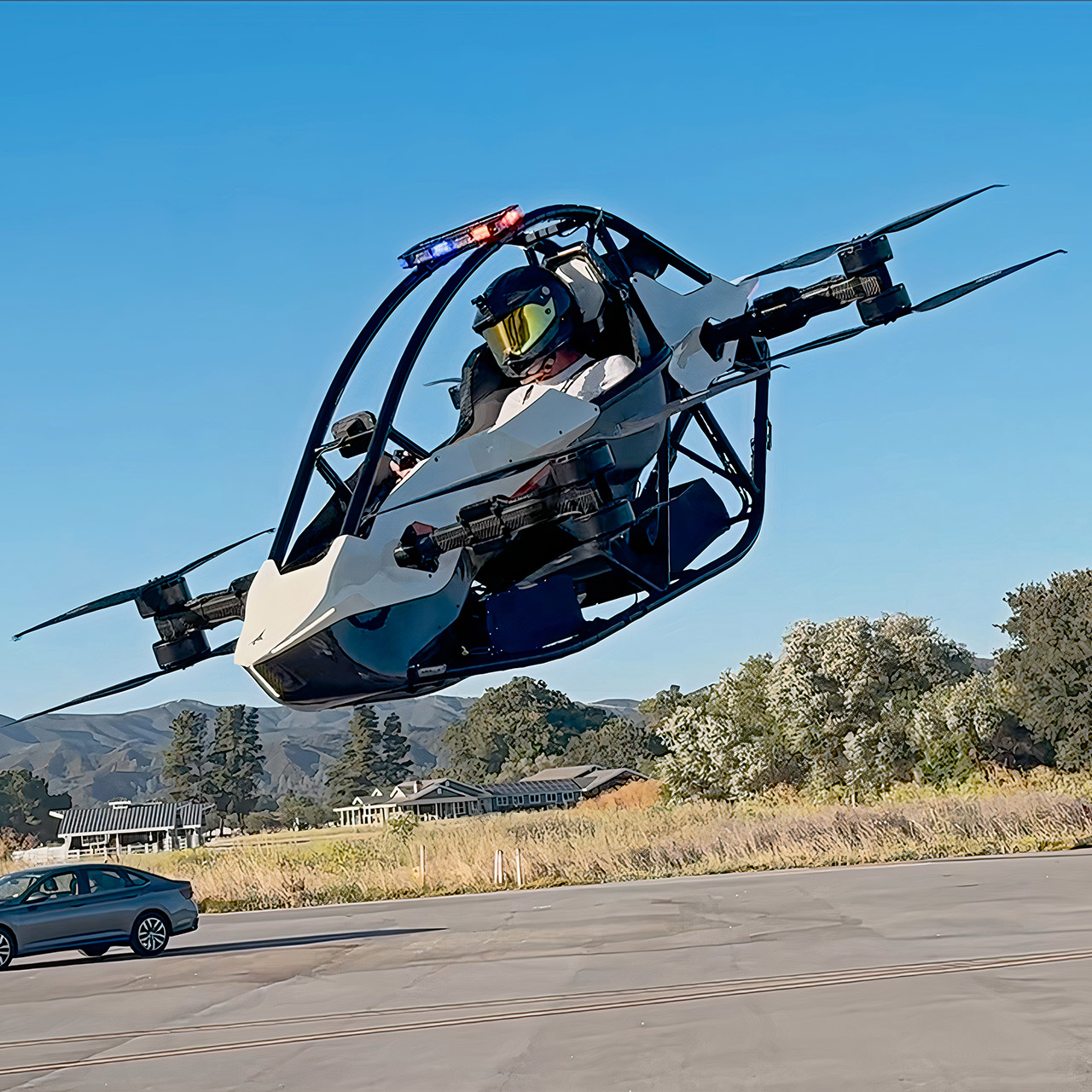
Florida Polytechnic University’s police department took delivery of a single-seat electric aircraft this summer and painted it in school colors with “Police” markings along the frame. Officers, including Chief Aaron Murray, completed training on the machine, which carries the registration N911FP and the nickname Astro. The name nods both to astronomy and to the dog that flew around in the old Jetsons cartoons.