Ten years after the first episode quietly appeared on Netflix, the streaming service has given Season 1 a complete visual and audio overhaul that turns every frame into something that feels pulled from a dusty rental case. Search for “Stranger Things VHS” or head to the dedicated title page and you will find all eight episodes of the first season presented as if someone in Hawkins had checked it out from Family Video in 1983 and played it until the tape started to wear.

A YouTube creator who goes by patchzy has spent months turning the 2008 Wii classic into a proper Windows program. The project is called Mario Kart Wiicompiled, and the first public beta arrives in August. This is the first time anyone has statically recompiled a full Wii game for modern computers. Static recompilation takes the original machine code, translates it into something a PC can understand, and rebuilds the whole thing as a native application. The finished program never pretends to be a Wii. It just is Mario Kart Wii, running at the full speed of whatever hardware you throw at it.

Sony spent its latest investor meeting talking less about bigger televisions and more about games that move with you. Executives described a future where PlayStation stops living only in the living room and starts working in bedrooms, cars, hotel rooms, and anywhere else a screen and a battery can go. The language was careful, yet the direction felt clear. The next hardware generation, widely expected to carry the PlayStation 6 name, appears built around a portable device rather than another box that sits under a TV.

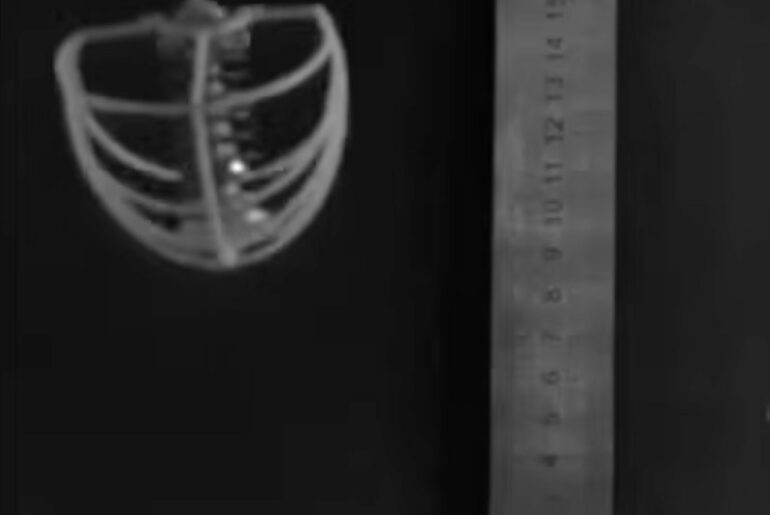
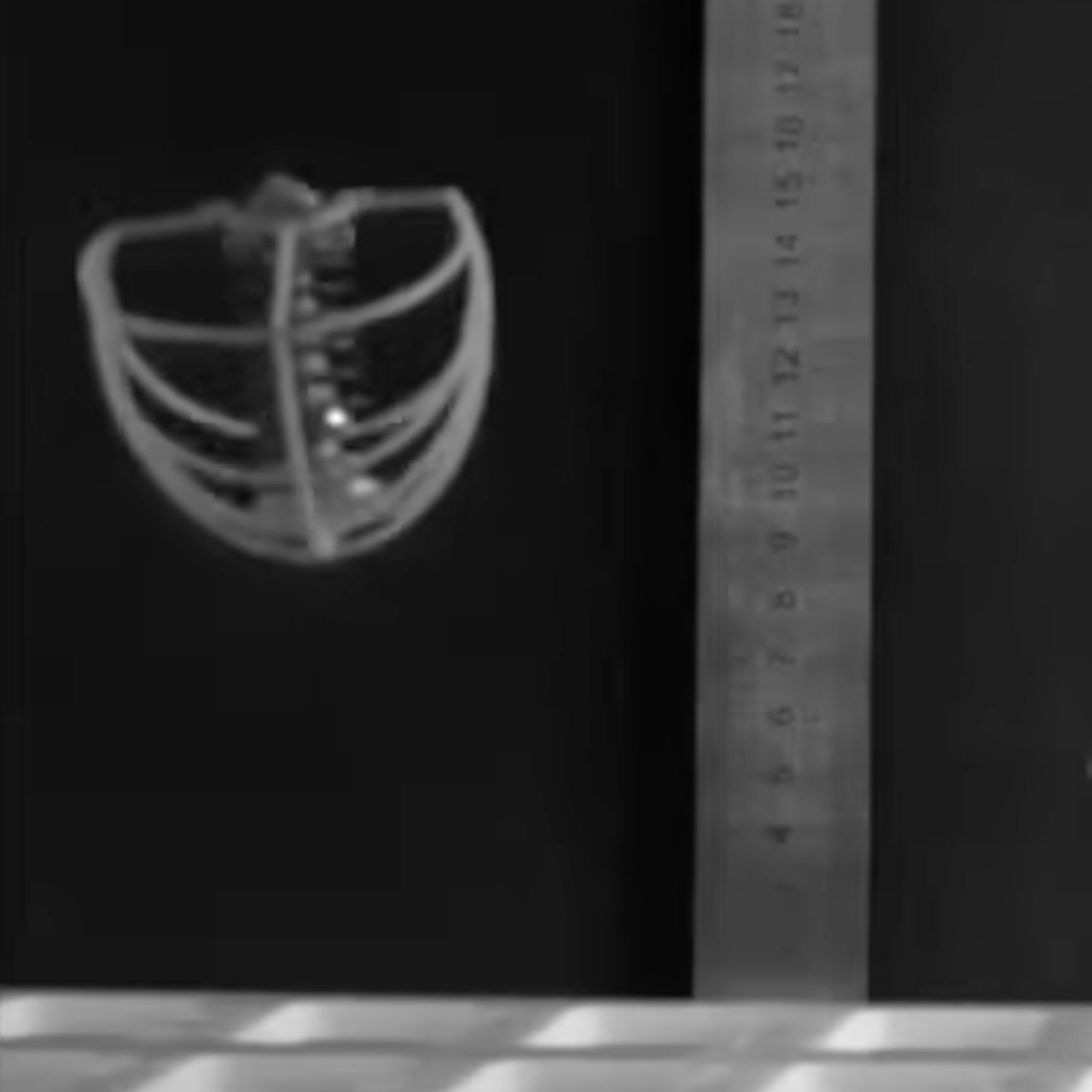
Mosquitoes kill more people than almost any other animal on Earth. Diseases they spread take hundreds of thousands of lives every year, mostly in places where chemical sprays and nets only go so far. Two French engineers looked at that problem and decided ordinary toy drones could solve it for far less money.

Most people who chase vintage audio gear talk about tubes, transformers, or the way certain tuners pull distant stations out of the noise. Few ever bring up an FM tuner whose most memorable feature was a thin slot on the front panel that accepted little cards punched with holes. The Scott T-33S, made between 1975 and 1977 in Maynard, Massachusetts, is one of those rare pieces. It arrived as the refined successor to the earlier Stereomaster 433, carrying forward a frequency synthesizer and Nixie-tube display while refining the one system that still feels almost alien today: station memory stored on physical punch cards.