The IBM MWave sound card is still talked about in retro computing circles today, though not in a good way. It’s remarkable how many people can’t stop thinking about how disappointing it was. Launched around 1992 and utilized in IBM’s Aptiva desktops and ThinkPads, the MWave was designed to be a nifty little combo of sound playback and dial-up modem on a single chip. It made promises of simplicity and saving a few bucks back in the day when sound cards were as dear as today’s graphics cards. This was the age of very expensive sound hardware.

Sony’s PS Vita is still regarded by many as one of the best handheld gaming devices, thanks to its brilliant screen, comfy design, and extensive game catalog. Anbernic has already released two new handhelds that clearly take design inspirations from the original classic: the RG Vita and the RG Vita Pro.

Lockheed Martin’s Lamprey Multi-Mission Autonomous Undersea Vehicle (MMAUV) challenges traditional methods for operating underwater drones in adverse environments. This stealthy autonomous vehicle attaches to a larger ship or sub, travels quietly to remote locations, and is ready to enter without using up its own power.

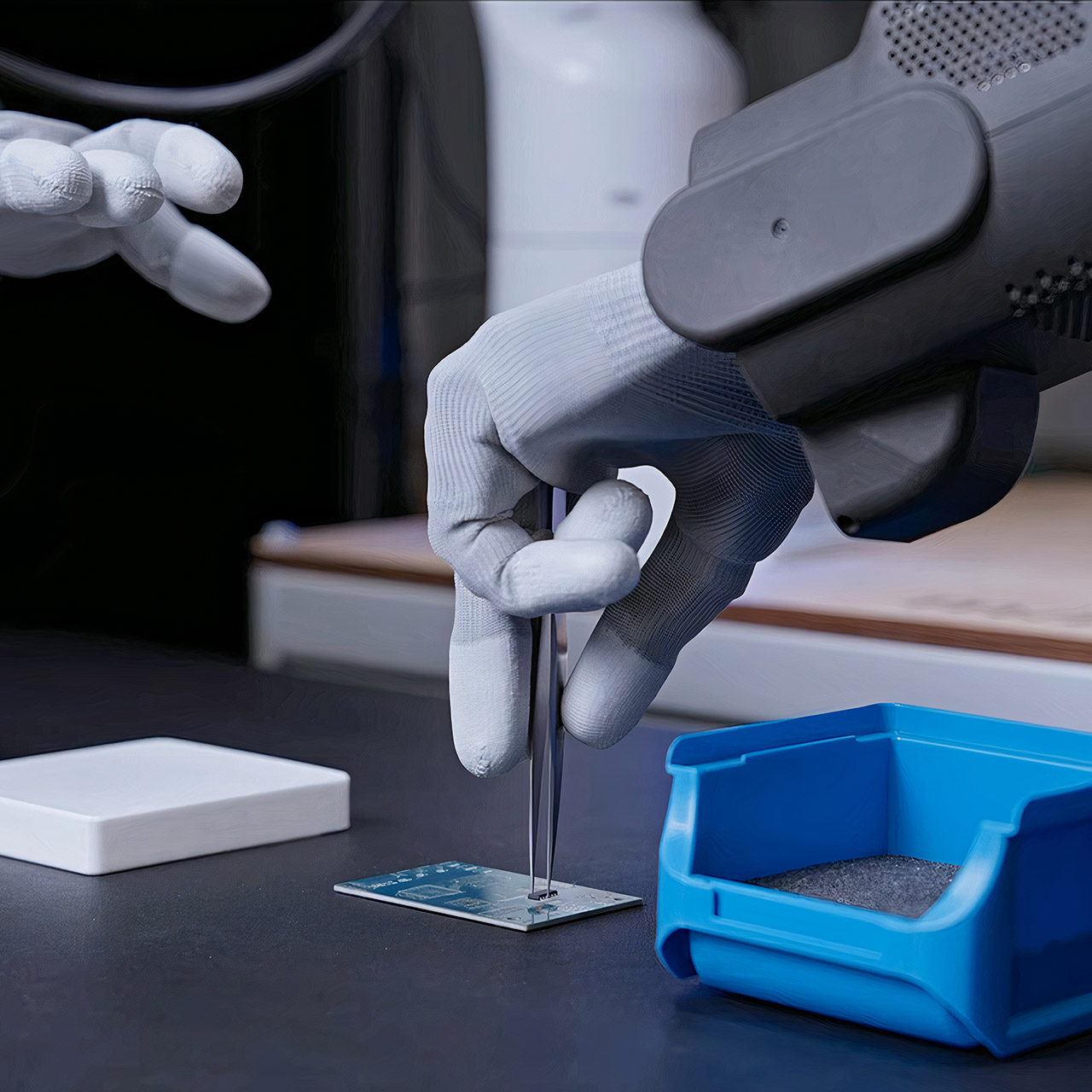
Maker Nick Maselli created a pretty decent laundry folding robot prototype in under 24 hours for a client who simply needed the job done. He named it Sourccey, and it’s essentially a movable, cylindrical box with a dome on top, two articulated arms, and a center vertical lift to access items. The majority of the structural components, from arm parts to outer enclosures, were created using a 3D printer that produced PLA filament. The fact that it can print so quickly allows them to swap items out throughout the build window.

Samsung’s Galaxy S25 FE, priced at $450 (was $650), delivers the performance of a high-end model at a much lower price. The phone measures 161.3 by 76.6 by 7.4 millimeters, making it the thinnest and lightest Fan Edition device you’ve seen thus far, weighing in just 190 grams.

A Moscow-based startup has taken a big move into the area of animal-machine hybrids. Neiry, a Moscow-based neurotech company, claims to have already made progress on remotely operated pigeons by inserting electrodes into their brains.

A homemade device spins in a small workshop, transforming rough beach stones into shiny, perfect spheres. Rob from Michigan Rocks built the spherical machine himself, and the results are almost too precise to be a DIY project. He first got the idea from an older design uploaded on YouTube by James Muchmore approximately 7 years ago, and he set out to develop something much more accessible because commercial sphere machines are a significant financial investment.

ByteDance managed to launch Seedance 2.0 without much hoopla, and the early reaction is that this AI video tool has the potential to revolutionize the way people create moving images for the better. Over the weekend, the company stealthily released a beta version for customers of its specialized video platform Jimeng AI, although access remains limited.

The Ferrari Luce interior is a silent revolution in a world of flashy screens that appear to be taking over everything. Jony Ive and his LoveFrom team spent nearly 5 years working behind the scenes with Ferrari’s designers to develop a cabin that refuses to allow all of that digital clutter get in the way. They’ve focused heavily on physical controls, and it shows, with machined aluminum switches, toggles, and knobs that provide actual feedback when touched. The Ferrari team tested these features repeatedly, for a total of 20+ rounds, to ensure that every click and turn felt pleasant.

Danny Spencer took his trusty old Game Boy Color and turned it into a canvas for real-time 3D shading, transforming the simple handheld into a shockingly convincing three dimensional environment. As the teapot spins, its curves capture the light from a source you control with the D-pad, causing shadows to alter seamlessly in response to each nudge.