Sunny days still stretch long enough to make a portable solar panel feel practical again. BigBlue’s 28W high-efficiency model, priced at $59.97 (was $68), turns that light into usable power for phones, tablets, power banks, and small gadgets without needing a wall outlet or a heavy generator.

A little black plastic rectangle rests in your hand and weighs roughly the same as a deck of cards. The Dumber Mini, which stands just over five inches tall and is no wider than two fingers, appears to have sprung directly from a 2005 Nokia catalog. Physical buttons form a full T9 keypad beneath a 2.8-inch IPS touchscreen with a resolution of 640 x 480 pixels. Twenty-one strong keys and side volume rockers give your thumbs something solid to press. No glass sandwich, no curved edges, just a simple candybar shape finished in plain black plastic.

A German-built trailer that rolls behind a compact car by day and floats on calm lakes by night first rolled out more than a decade ago. Today the latest SEALANDER arrives with a fuller list of comfort options than any earlier version, ready for orders with deliveries that began in mid-2025. Daniel Straub’s idea took shape in the early 2010s and reached the market around 2014 as a lightweight hybrid of teardrop trailer and small motorboat.

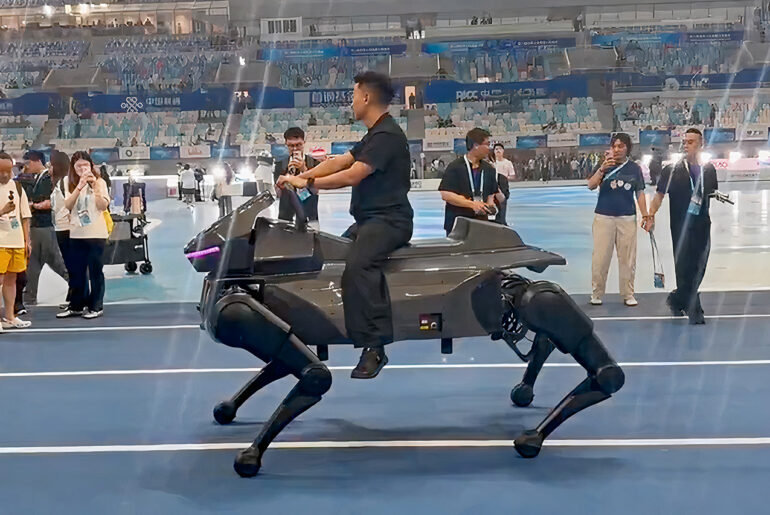
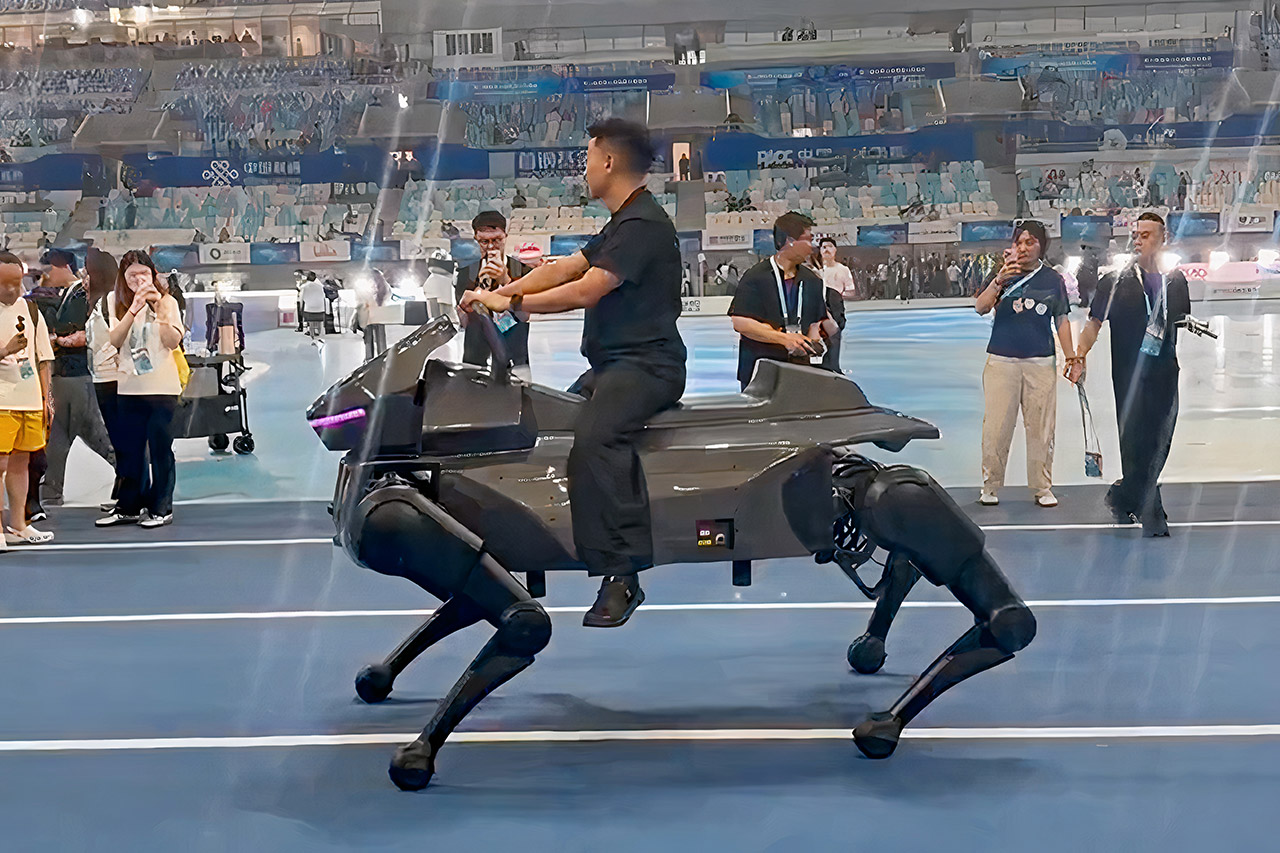
Robots that walk face a stubborn problem right at the joints. Biological legs spread force along muscles that run the length of a limb. Most mechanical versions must pack everything into a tight space at the knee or hip. That means the actuator needs to stay compact and light while still delivering serious torque and staying backdrivable so the leg can absorb shocks instead of fighting them.

Most people who spent the 1990s chasing perfect arcade ports never got the chance to sit in front of a Sharp X68000. Japan kept the machine almost entirely for themselves, and the admission cost made it prohibitively expensive for everyone else. A basic model was introduced in 1987 costing several thousand dollars ($8,818) today. What you got for your money was a Motorola 68000-based system with unique graphics and sound hardware that resembled modern arcade boards rather than any home computer. Capcom used these machines as development kits. Ports of Final Fight, Street Fighter II, and countless shooters arrived with fidelity that still surprises people who only know the console versions.