Photo credit: Katie Jameson/Caltech/DSA Project
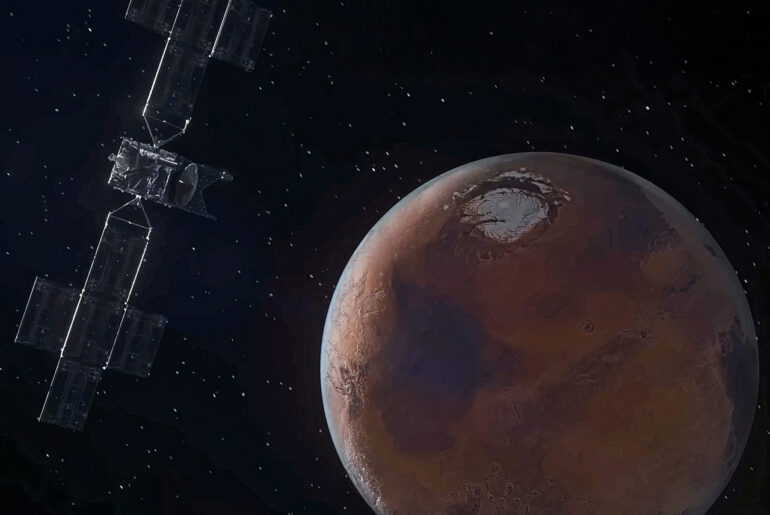
Construction crews will soon start work on a remote valley floor in Nevada. Caltech astronomers intend to place 1,650 radio dishes across a rectangle roughly 20 kilometers long and 16 kilometers wide. The finished array will sweep the visible sky several times during its first five years of operation and move 100 times faster than any radio telescope now in use.

Google rolled out an experimental flight simulator inside its web-based Earth viewer this week. The addition revives a tool long present in the desktop software and opens it to anyone who opens a browser tab. People have been able to access a version of this tool in the desktop software for years, though it stayed mostly out of sight. The web edition brings it to anyone with a browser and an internet connection without extra software.

Willard Ray Custer filed patents in the 1920s for a wing shaped like a curved trough. A propeller sat inside that half-circle channel and forced air across the surface. The goal was simple. Lift should come from moving air over the wing, not from racing the entire aircraft down a long runway first. Early tests showed real promise for short takeoffs. One demonstration had a man jogging beside the plane as it lifted off. Another had the aircraft strapped down while the props alone raised it on the lift generated inside the channels. A few 1950s prototypes flew and performed well in wind-tunnel work. The design still faded. Airplanes of that era were heavy, low-speed control felt limited, and the concept never delivered reliable vertical takeoff on its own.

Huntsville serves as home to one of the most unusual training sites in federal law enforcement. The Kinetic Cyber Range occupies 22,000 square feet indoors on the FBI’s North Campus at Redstone Arsenal. Agents and analysts walk into a complete small town built from the ground up to feel and function like the real thing.

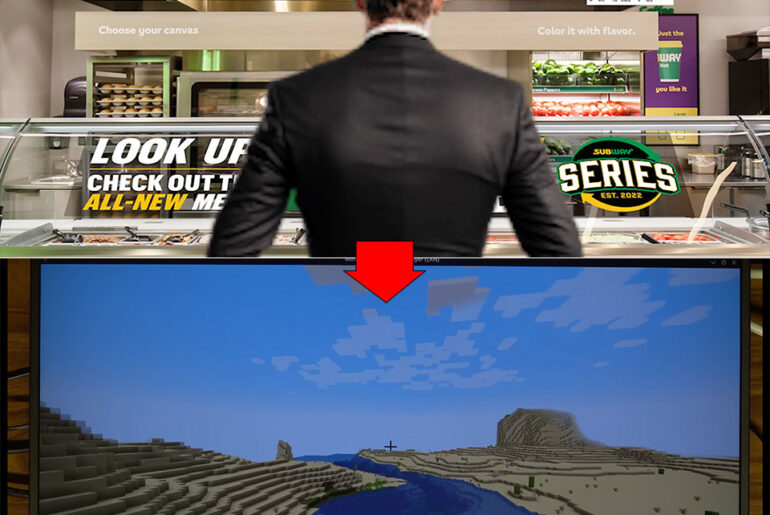
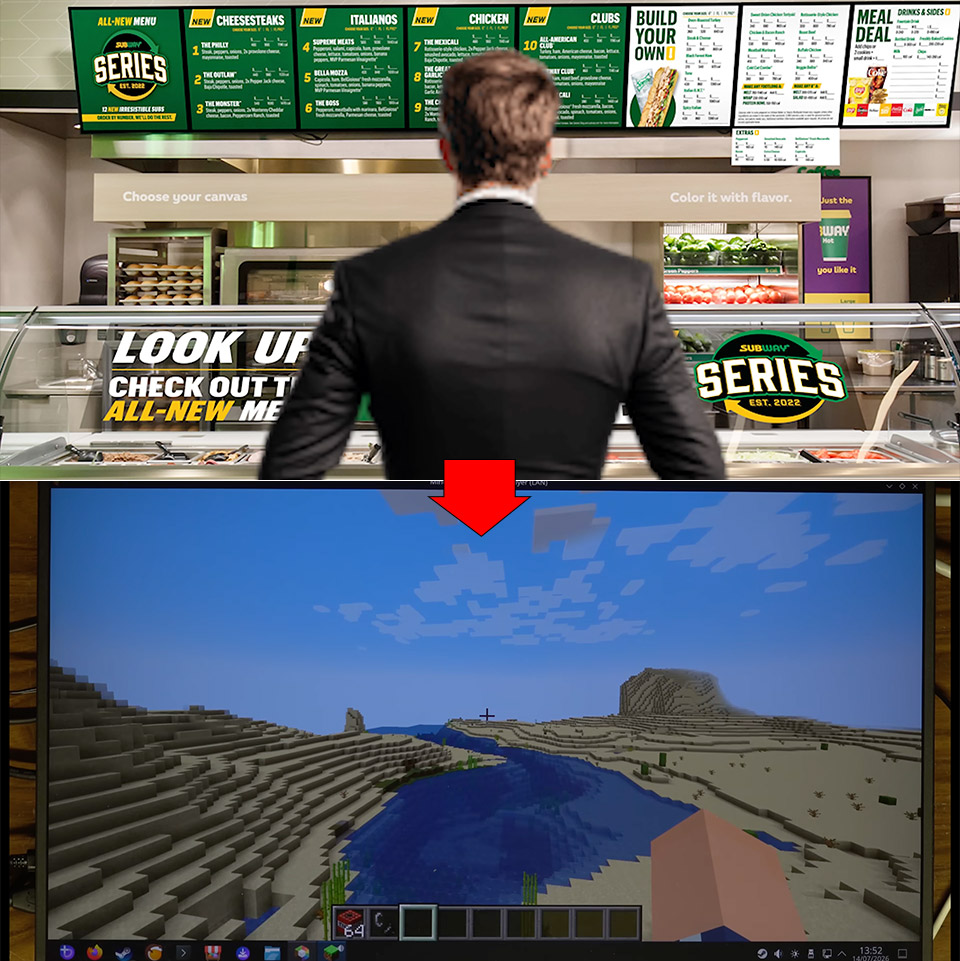
OptiJuegos has delivered a working version of Minecraft to the original PlayStation 2, called OptiCraft. The port draws directly from Minecraft Pocket Edition version 0.6.1 and runs on real hardware released more than a decade before that mobile edition appeared. Players can generate worlds, break and place blocks, and engage with survival elements on a console many assumed could never handle the game.