NASA Curiosity Rover Mars Dawn Morning
NASA’s Curiosity rover took the frame on August 11, 2026, at 8:30 in the morning local time on Mars, about an hour after sunrise on sol 4,982. Six shots from the mast camera were stitched into one panorama after the files reached Earth. Mission staff left the usual white balance off, so the morning tint stayed in the file instead of being pushed toward the rusty palette most rover pictures carry.

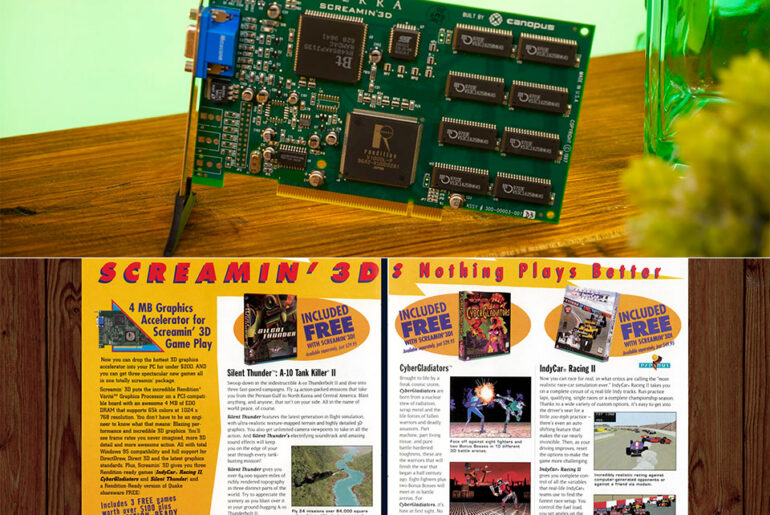
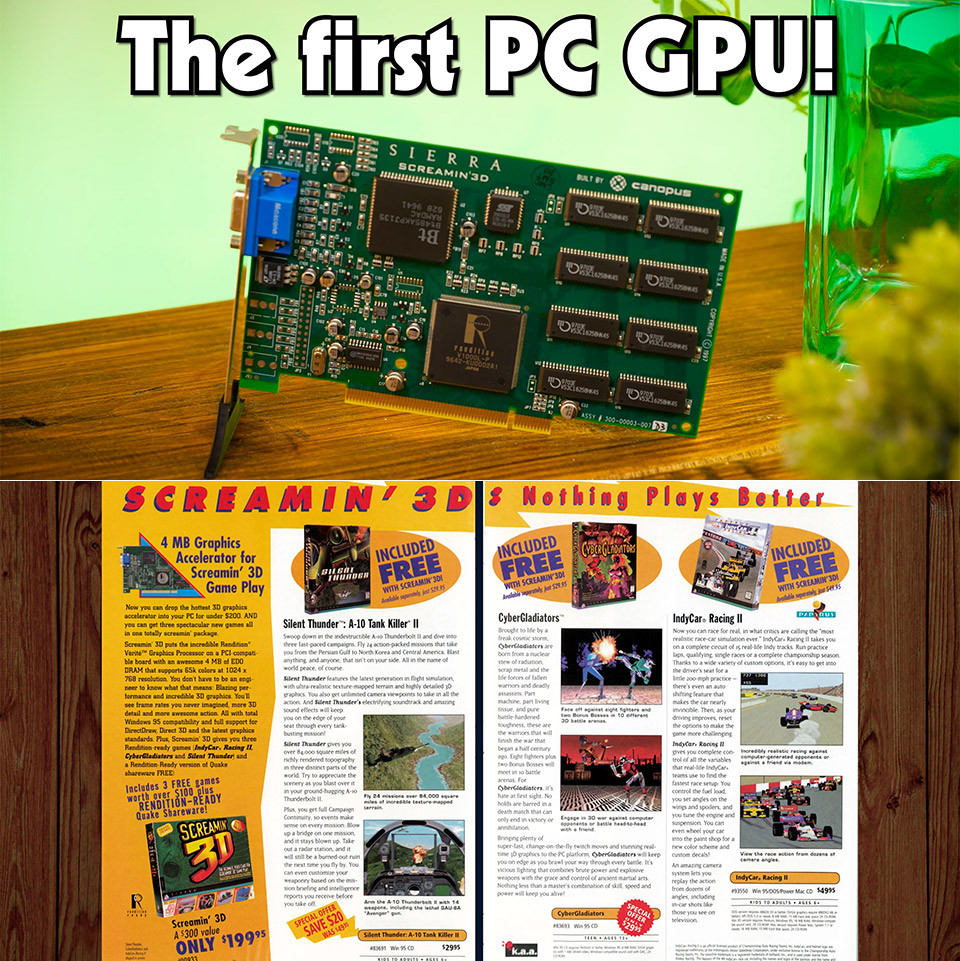
Sierra Screamin 3D Graphics Card 1996
Sierra On-Line spent most of the 1990s shipping adventure games with names like King’s Quest and Space Quest, then spent one Christmas trying to sell the board those games would run on. Screamin’ 3D reached stores in November 1996 at a suggested price of $199, the only graphics card the Oakhurst studio ever put its name on, and it vanished so completely that plenty of people who owned a Sierra box never knew the company had tried hardware at all.

Mountless Aerial HMD Floating Virtual Reality Without Headset
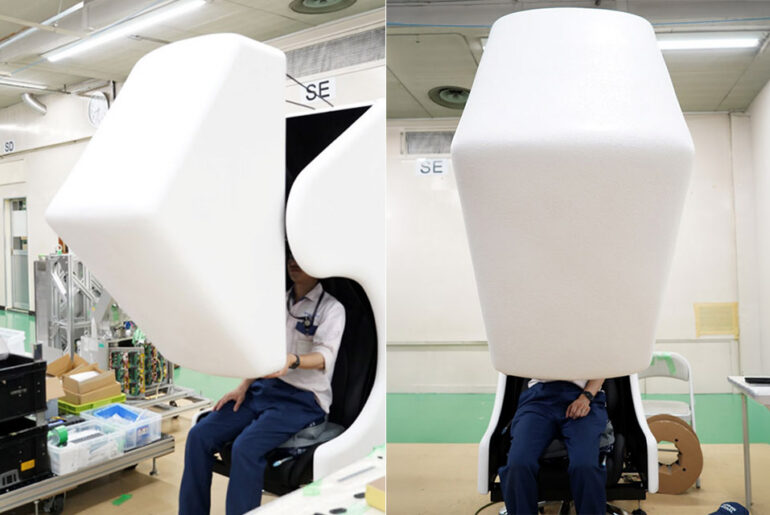
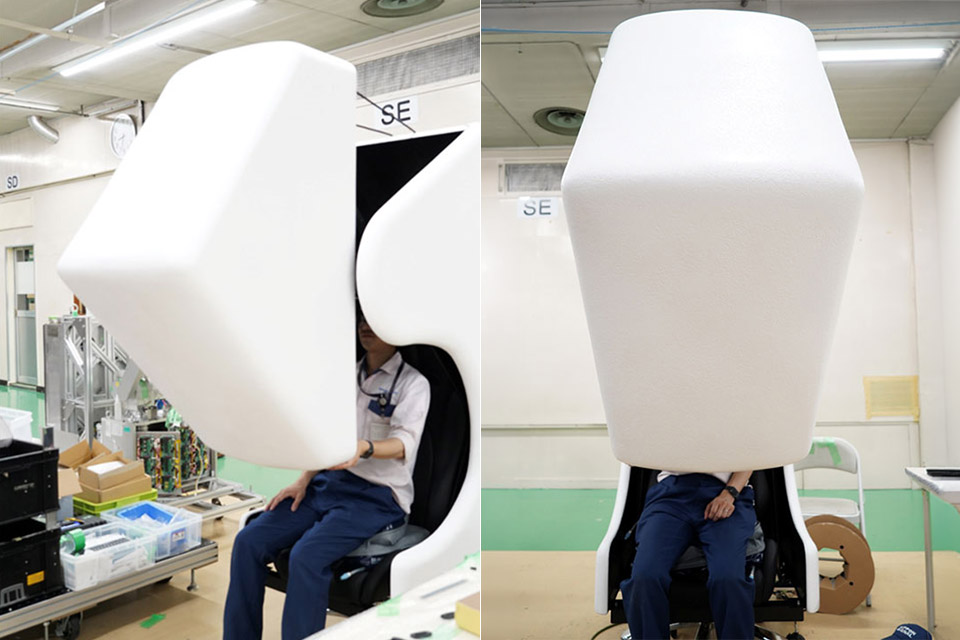
Spending a full day inside a virtual world sounds simple until the hardware starts pressing on your face. Associate Professor Shogo Fukushima at Kyushu University heard that complaint from a student who wanted longer sessions and kept running into the weight of a headset on the head and neck. Fukushima already knew the feeling. Some days he spends more time in virtual scenes than outside them, and he has tried to sleep in one, only to find the goggles made rest nearly impossible. That friction led to a paper at SIGGRAPH Emerging Technologies in 2026, titled Mountless Aerial HMDs, which moves the entire optical assembly off the face and onto a chair.

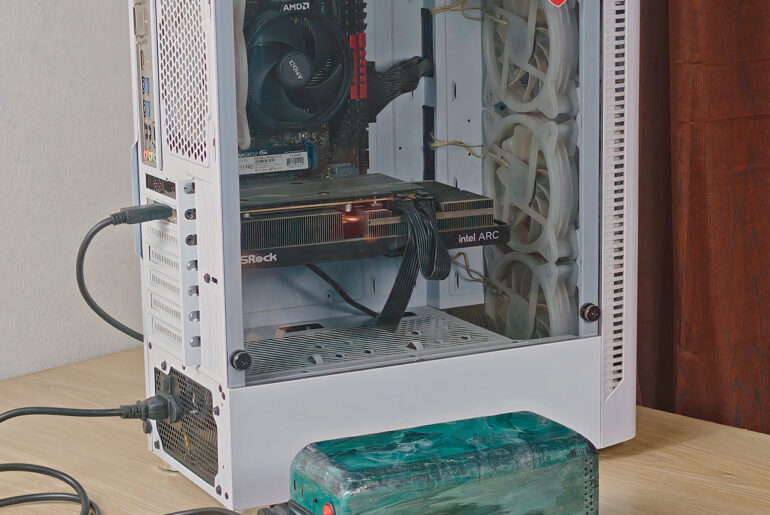
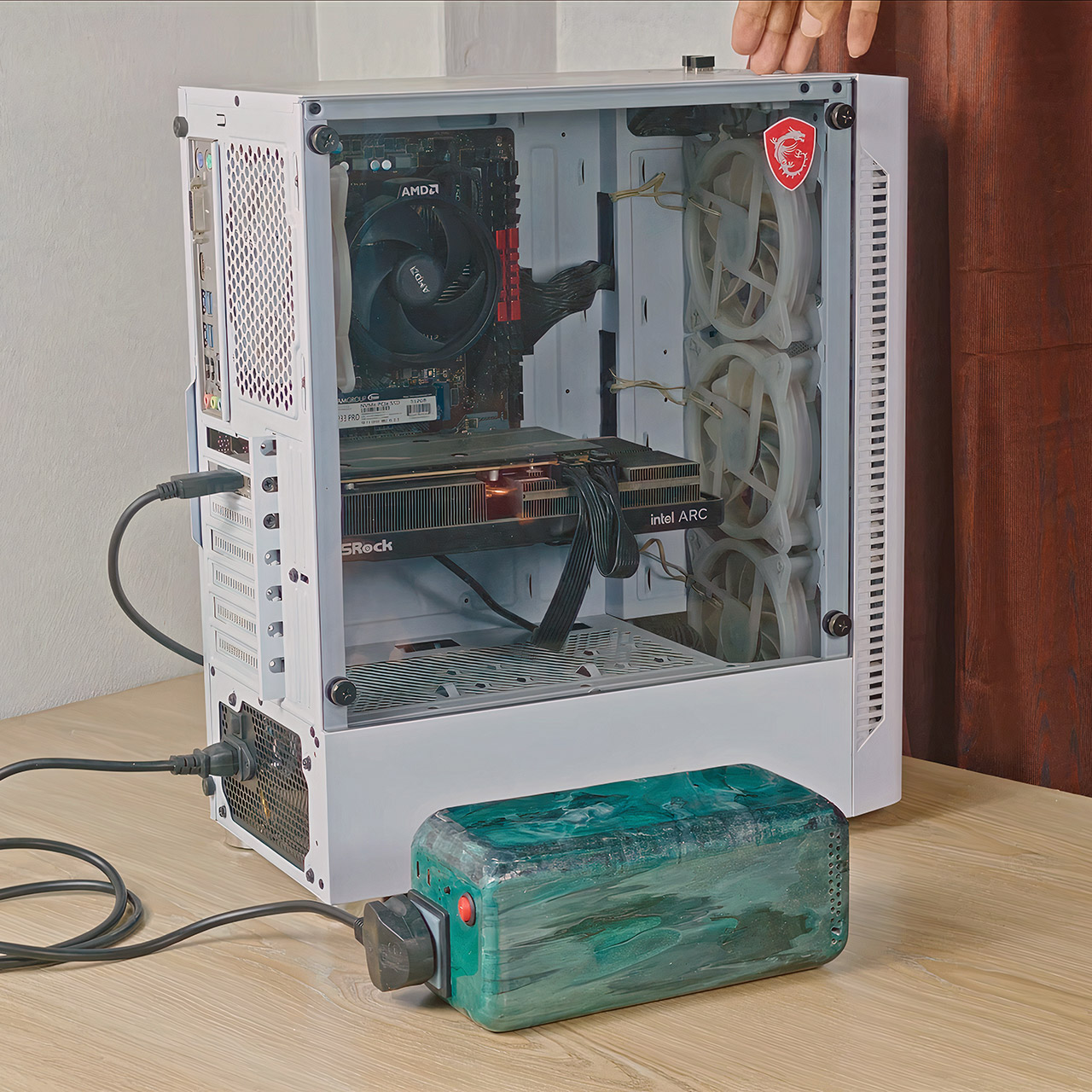
Gadget Industry DIY Homemade Power Station Bank Desktop PC
Four brick-shaped lithium iron phosphate cells, each rated 3.2 volts and 15 amp-hours, sit in a row and form the whole energy store of a homemade power station small enough to close a hand around. Wired end to end, they make a 12.8-volt pack that climbs to 14.6 volts when full and holds about 192 watt-hours. A 100-amp battery management board watches cell voltage, balances the four cells, and cuts the circuit on overcurrent or a short. Spot-welded nickel strips, stacked so the joints can carry the current, tie the pack together. Cells of this chemistry tolerate a 3C discharge, which on paper means up to 45 amps, and they are rated for more than 3,000 charge cycles with less fire risk than the lithium-ion packs common in phone banks.