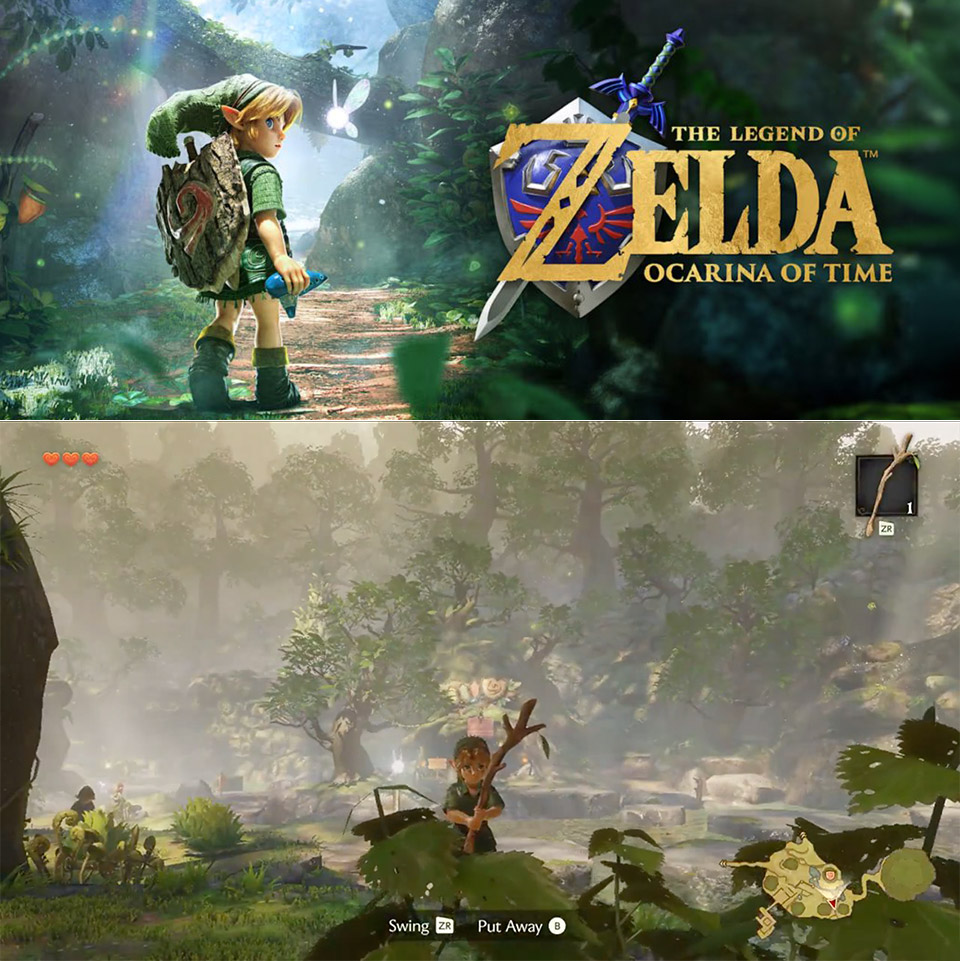
One day after Nintendo put the rebuilt Ocarina of Time on Switch 2, a project called NotRexed Hookshot already lets owners of the game run it as a regular Windows program. NotRexed, the same developer behind earlier native ports of other Nintendo titles, posted early screenshots and then opened the full source on GitHub. Anyone with a matching copy of the remake can feed the files into the tools and end up with an executable that launches the adventure without an emulator sitting in the middle.
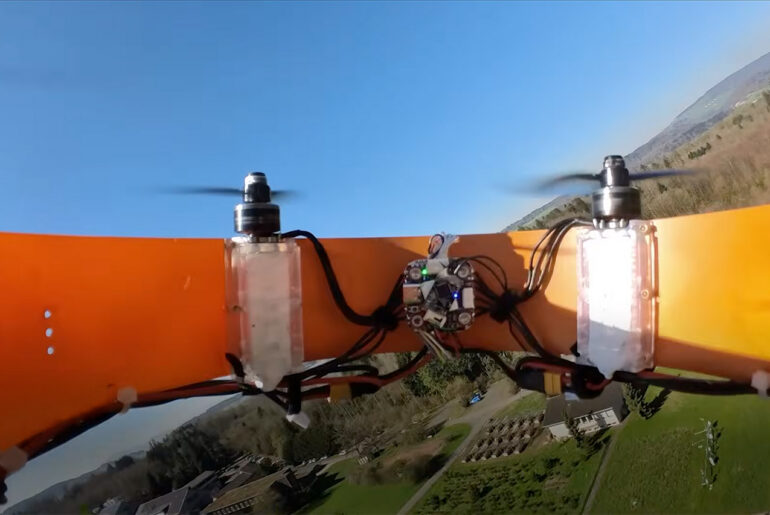
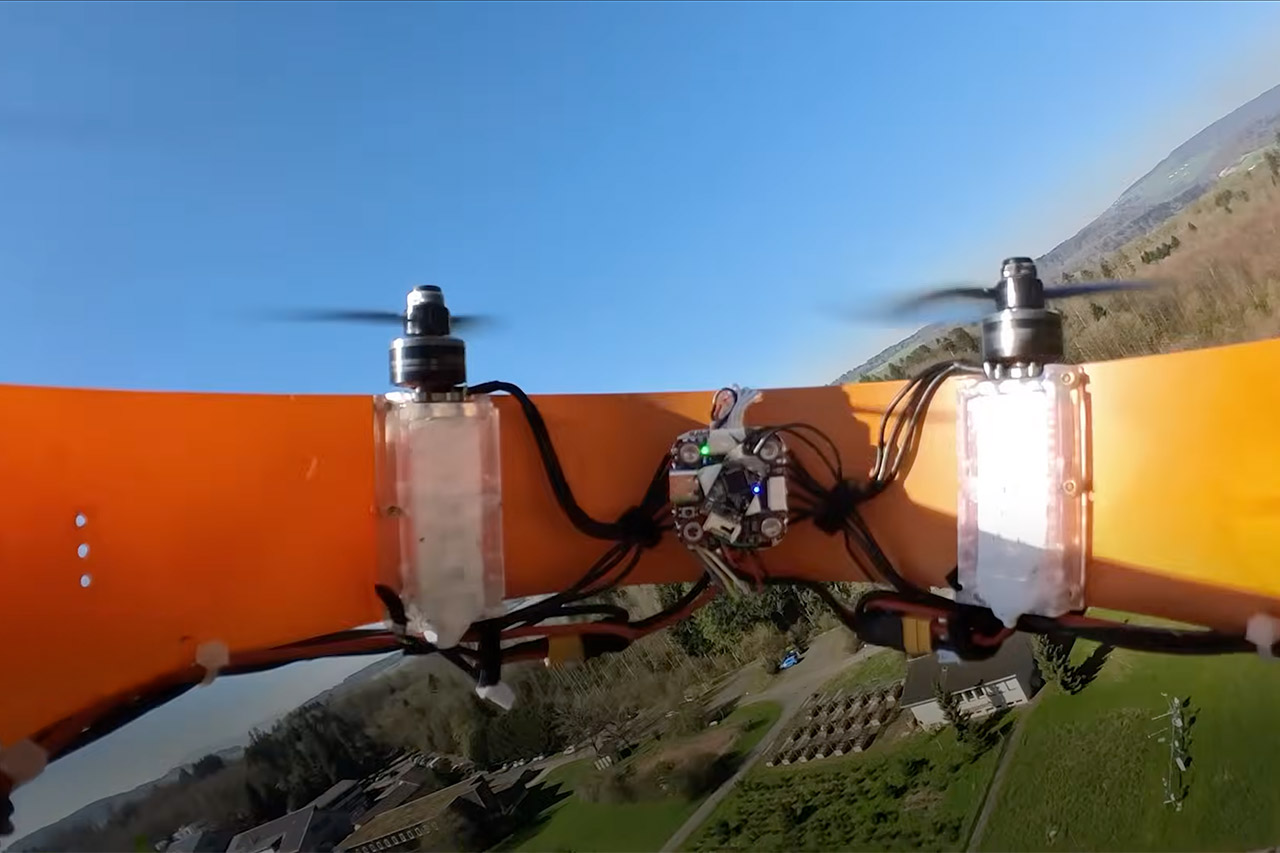
Luca Girardi and Stefano Mintchev spent years at ETH Zurich’s Environmental Robotics Lab refining a four-rotor drone that looks more like a bright orange ring than a conventional flying machine. Rotors, batteries, and the flight controller sit evenly spaced around that soft loop, with nothing in the middle. When the prototype hits an obstacle the frame gives way sideways, soaking up energy before springing back. Vertical stiffness stays high enough that the motors still push the craft through the air without losing control.

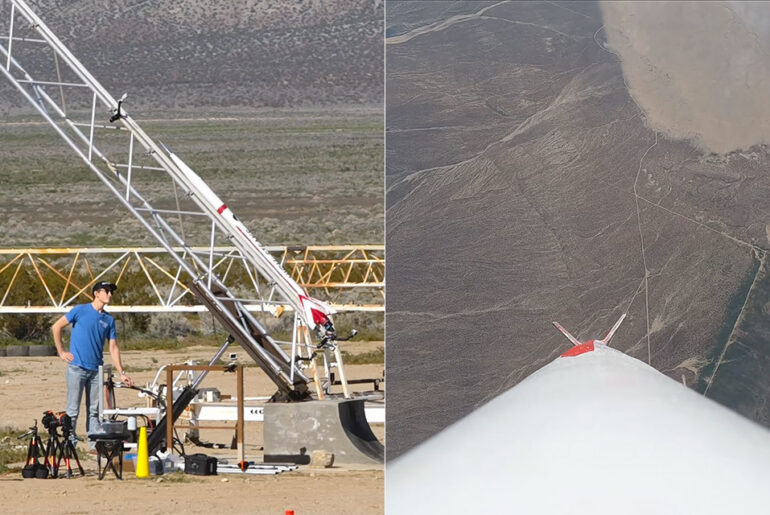
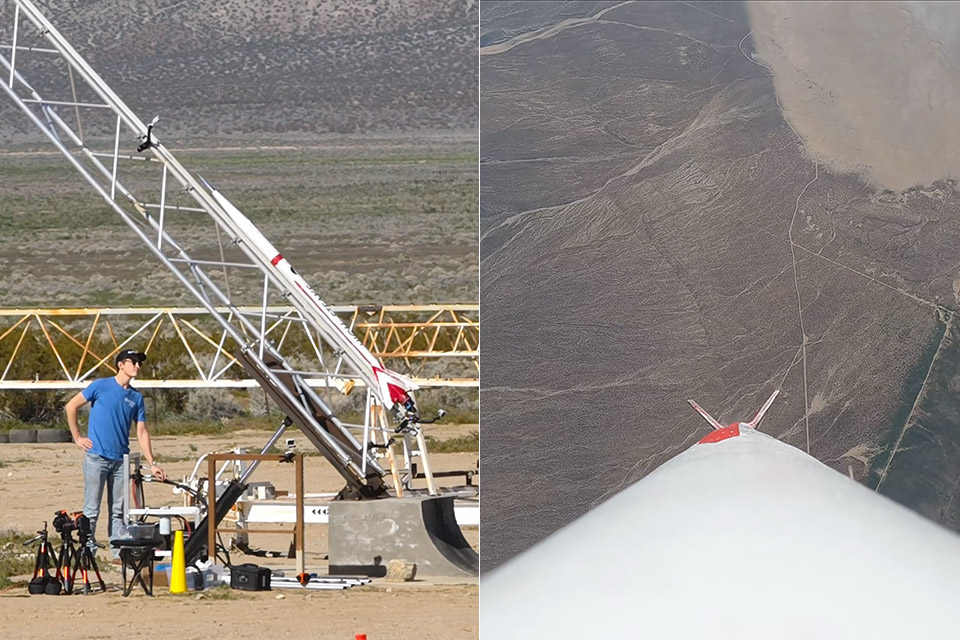
Joe Barnard of BPS.space wanted more than a standard high-altitude rocket flight. He aimed for a rocket that would climb to roughly 30,000 feet while hitting Mach 2, then eject a small camera pod near the top so it could film the drogue parachutes opening from outside the vehicle in slow motion. That third-person view has stayed out of reach for most amateur rocketry work because the timing, forces, and recovery all have to line up after the vehicle has already endured heavy acceleration and vibration.

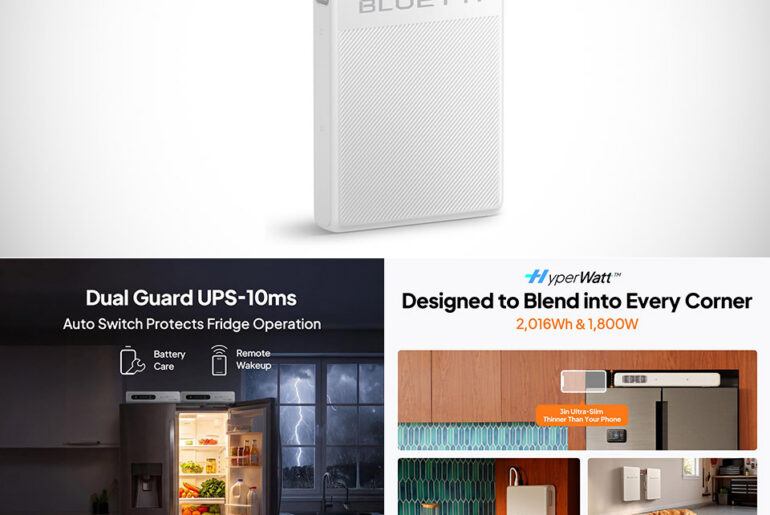
Power cuts turn ordinary kitchens into a race against spoiling food, and BLUETTI built FridgePower, priced at $899 (was $1,699), as a direct answer for households that treat a working refrigerator as non-negotiable. The unit packs 2,016 watt-hours of LiFePO4 battery into a case only about three inches thick, so it sits on top of a fridge or mounts on the wall beside it without demanding a permanent chunk of floor space.

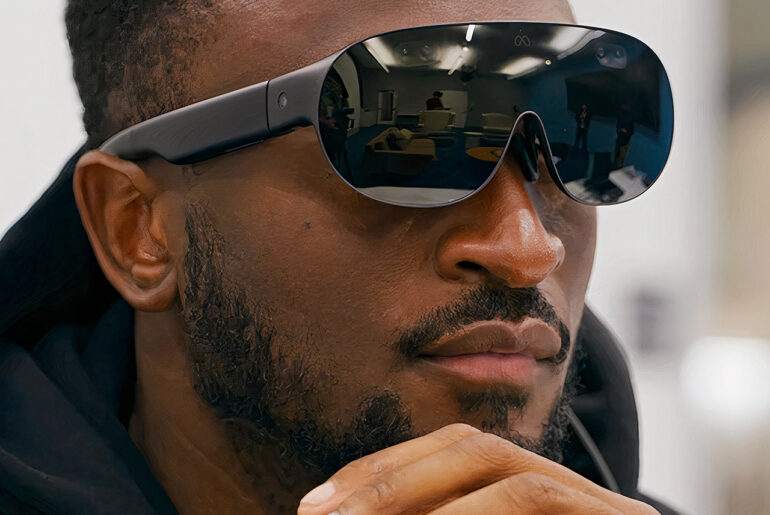
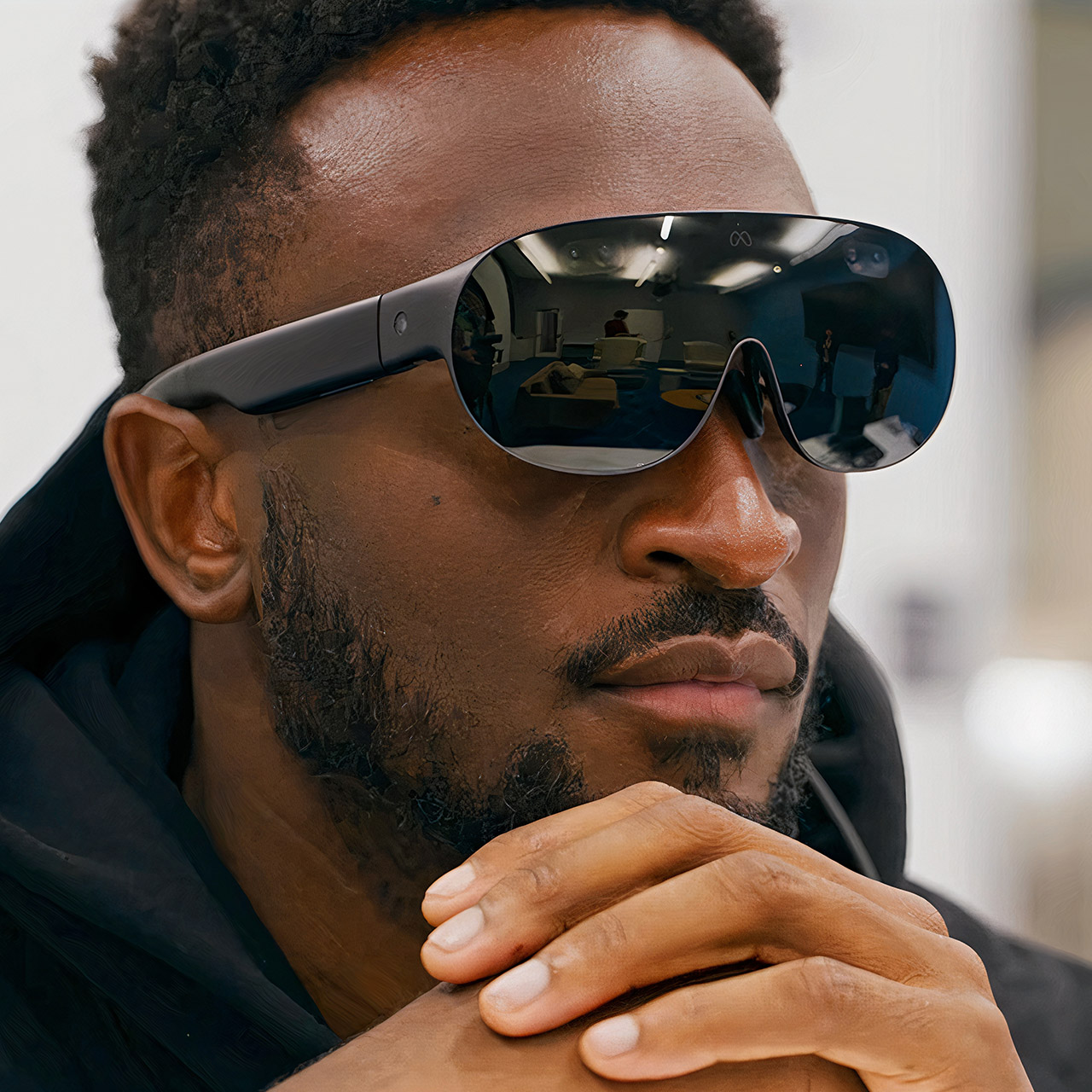
Marques Brownlee spent time with Meta’s upcoming VR Glasses and came away convinced they represent the direction Apple’s Vision Pro might have taken if the company had kept refining the original design. Apple appears to have stepped back from further headset development in favor of simpler eyewear, leaving Meta to push both lightweight glasses and full headsets forward at the same time. These new Meta devices sit in a middle space, heavier than everyday frames yet far lighter than anything that straps across the head.