Racing fans hold fond memories of one particular Porsche from decades ago. In the 1980 season a customer 935 K3 from Dick Barbour Racing hit the circuits wrapped in bright rainbow colors and the Apple Computer logo. That machine competed at major events including the 24 Hours of Le Mans and left a lasting impression wherever it appeared.

Mathieu Stern spotted an oddity one afternoon at a French flea market. Inside a simple blue canister sat a compact Foth 50 millimeter f 2.5 lens from the late 1920s. Three euros later it was his. The optic had come from a Foth Derby folding camera built for 127 roll film, a model once positioned as a rival to early Leica designs. It even showed up in a few motion pictures from that period, including work tied to Alfred Hitchcock.

Runners frequently struggle to strike the perfect balance when it comes to listening to music or podcasts on long runs: they want to be able to zone out from the world while also remaining aware for approaching cars or chatter from fellow trail-goers without having to rip out their headphones at every little sound. The Shokz OpenRun Pro 2 bone conduction headphones, priced at $139.95 (was $180), solve that exact problem with a design that sits snugly against your cheekbones while leaving both ears open for full awareness.

James Lucas Condon turned his passion for cars and camera into a platform that now funds some of the rarest cars on the planet. Known online as TheStradMan, he has spent years sharing his passion for hypercars with millions. His latest move shows just how far that success reaches. He commissioned Bugatti to create a one-off W16 Mistral called Fly Bug, the fourth car in a series built around insects from the natural world.

Grand Theft Auto V can run with ray tracing enabled at a silky smooth 60 frames per second on a PlayStation 5, and this is not your typical PS5 experience, since it is taking place on a Linux desktop via Steam. Andy Nguyen, often known on the internet as TheFlow, is a security specialist who created an open source loader that he released into the public domain.

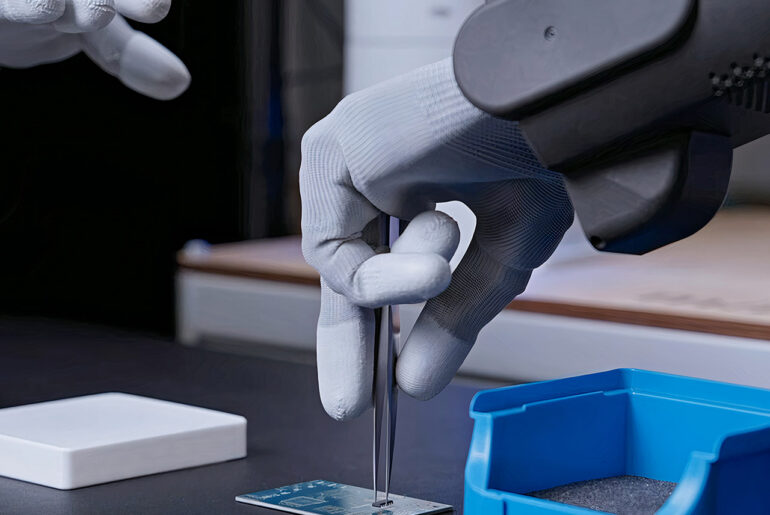
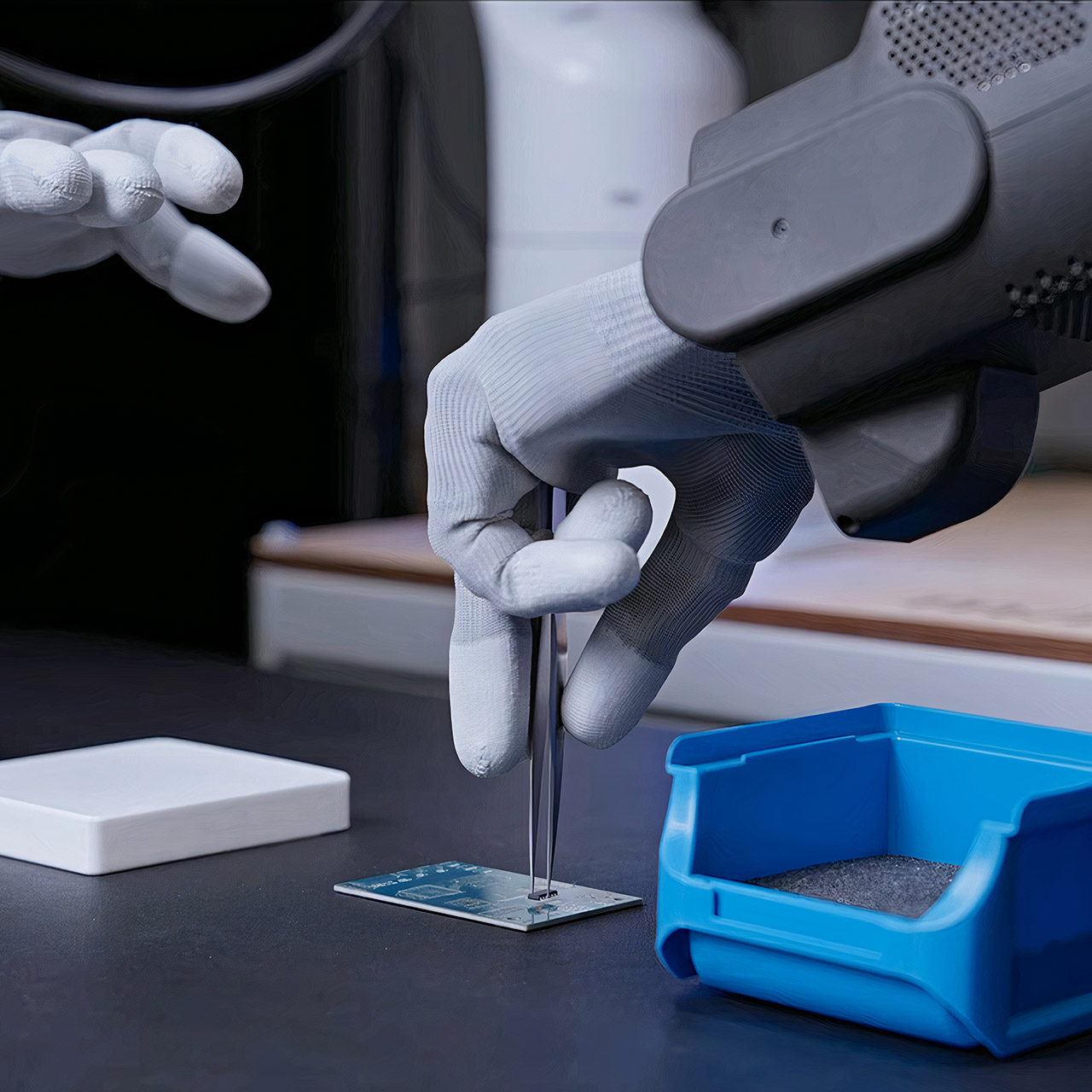
Japan Airlines is testing humanoid robots for baggage and cargo jobs at Tokyo’s Haneda Airport this month, with a small group of them working alongside ground crew for the first time. Unitree builds the machines under the name G1, and they’re modest, standing around four feet tall and weighing little over seventy pounds. They can reach speeds of 4.4 miles per hour, but they can only run for two hours before needing to be recharged. They’re also small enough to fit into tight spaces around planes that larger machines cannot reach.

Officers from the Seoul police force pull up in a crowded alley, where the sound of feet echoing between the buildings is almost deafening, in their high-tech vehicle powered by the quiet electric power of its motors, before, like a jack-in-the-box, a panel at the top of the roof slides open and a sleek little drone rises up to scan the lay of the land from above. This is Kia’s latest project, and it was developed in close collaboration with the Korean National Police Agency, with experimental operations due to begin in only a month.

Revenue soared to 111.2 billion dollars in Apple’s March quarter, up 17 percent from the same period last year and significantly beyond analyst expectations. Almost 57 billion of that came directly from iPhone sales, a new record high for the March period, as it appears that a large number of people went out and purchased the latest models at once.

Gamers in the 1990s sat through plenty of marathon sessions on consoles like the Super Nintendo as well as SEGA Genesis, and their thumbs suffered as a result of continual pressure on rigid directional pads. Triax had a solution for the problem in the Turbo Touch 360. They abandoned the traditional movable plastic directional pad in favor of a flat octagonal plate with capacitive sensors underneath. So all you had to do was lightly lay your thumb on the surface, and it would register the direction you were attempting to go in.