
Tom Stanton has spent years chasing a number that gravity itself seemed to forbid. On a quiet field somewhere in the UK, a 40-kilogram mass dropped a short distance, spun a carbon-fiber arm past 2,300 revolutions per minute, and sent a 4-gram projectile into the air at 776 miles per hour. That is nine miles per hour past the speed of sound. For the first time, a purely gravity-powered trebuchet crossed the barrier.

Zack Nelson has a habit of taking brand-new phones and treating them the way most people accidentally treat their everyday carry. This time the victim is Samsung’s Galaxy Z Fold8, the shorter, wider passport-style foldable that opens into a nearly square tablet. He runs the usual sequence of scratches, grit, open flame, and the dreaded opposite-direction bend. What emerges is another quietly tough Samsung folder that refuses to fold the wrong way for good.

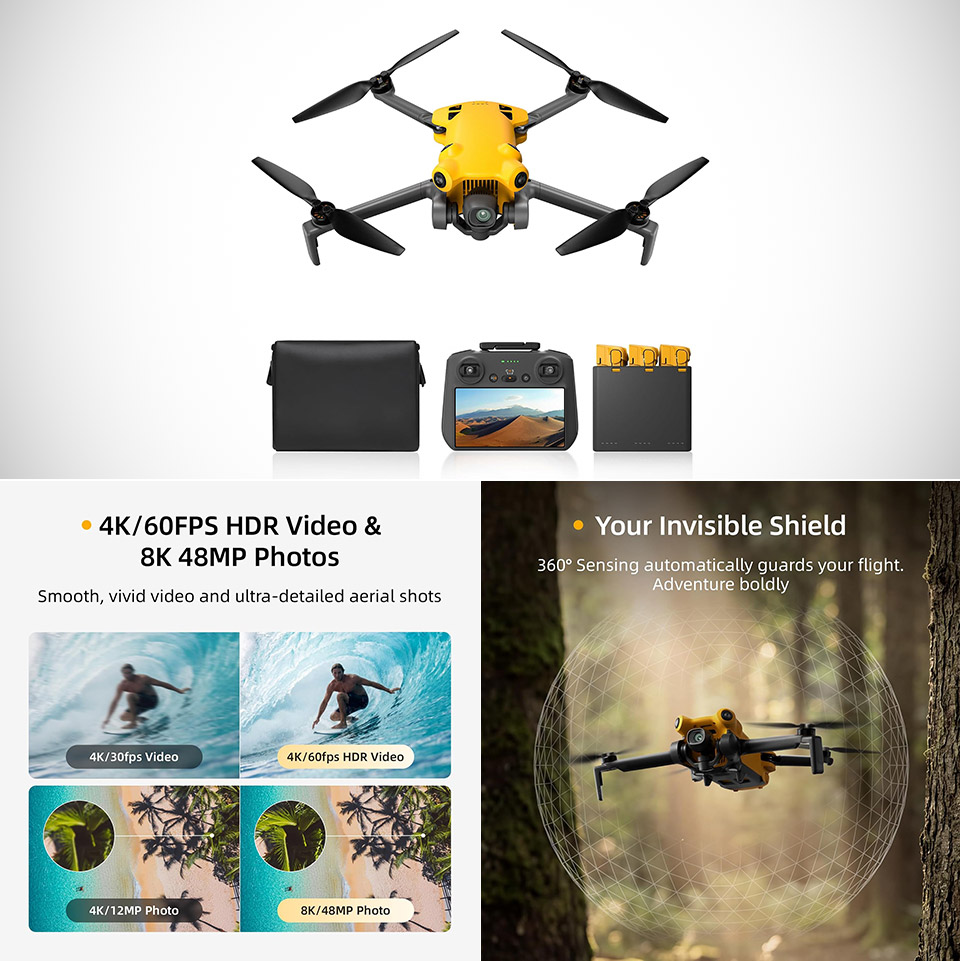
You’ve finally splurged and purchased a quality drone, charged the thing, and taken it outside, but gravity and nervousness take over and you watch, in slow motion, hundreds of dollars bounce off the pavement or be pulled up into a tree. It’s a pattern that helps to explain why so many people don’t make it past the first week with their new flying device. That’s where the Veeniix V995 micro drone, priced $33.99 (was $50), comes in, and it’s supposed to break the cycle for you.

Graduate students at Clemson University spent nearly two years answering a direct challenge from BMW. Build a working electric vehicle that gathers more energy from the sun than it spends on a normal day of city driving. They delivered Deep Orange 17, also known as Luminetta, a two-seat coupe that does exactly that under the conditions they tested.